
When working with MUTYH-associated polyposis, a hereditary condition marked by multiple colorectal adenomas caused by biallelic mutations in the MUTYH gene. Also known as MAP, it MUTYH‑associated polyposis, it raises the lifetime chance of colorectal cancer and can involve other gastrointestinal tumors.
One of the core players behind MAP is the MUTYH gene, a DNA‑repair gene that fixes oxidative damage in the gut lining. When both copies malfunction, cells accumulate errors and form adenomas. This genetic defect often appears alongside colorectal cancer, the third most common cancer worldwide, making early detection crucial. Genetic testing, usually a panel that looks for MUTYH mutations and other polyposis‑related genes like APC, helps differentiate MAP from similar syndromes such as familial adenomatous polyposis. Once identified, patients typically enter a structured surveillance program that includes colonoscopy, regular endoscopic exams to spot and remove precancerous polyps before they turn malignant. The frequency—often every one to two years—depends on polyp burden, age, and family history.
Managing MAP isn’t just about watching the colon; it also involves lifestyle tweaks, chemoprevention, and sometimes surgery. A diet rich in fiber, low in red meat, and supplemented with antioxidants can lower oxidative stress, the very trigger that overwhelms a faulty MUTYH pathway. Some clinicians recommend low‑dose aspirin or other NSAIDs, which have shown promise in reducing polyp growth for certain hereditary conditions. When polyp numbers become too high for safe endoscopic removal, surgical options like subtotal colectomy may be considered, especially for patients with a strong personal or family history of cancer. Throughout the process, multidisciplinary care—gastroenterologists, genetic counselors, surgeons, and nutritionists—ensures that each decision balances risk reduction with quality of life.
The articles below dive deeper into each of these areas: detailed explanations of MUTYH testing protocols, step‑by‑step guides for colonoscopy preparation, comparisons of surgical versus endoscopic strategies, and the latest research on chemopreventive agents. Whether you’re a newly diagnosed patient, a family member looking for answers, or a clinician seeking up‑to‑date resources, the list offers practical insights you can act on right away. Browse ahead to see how genetics, screening, and treatment intersect in the world of MUTYH‑associated polyposis.
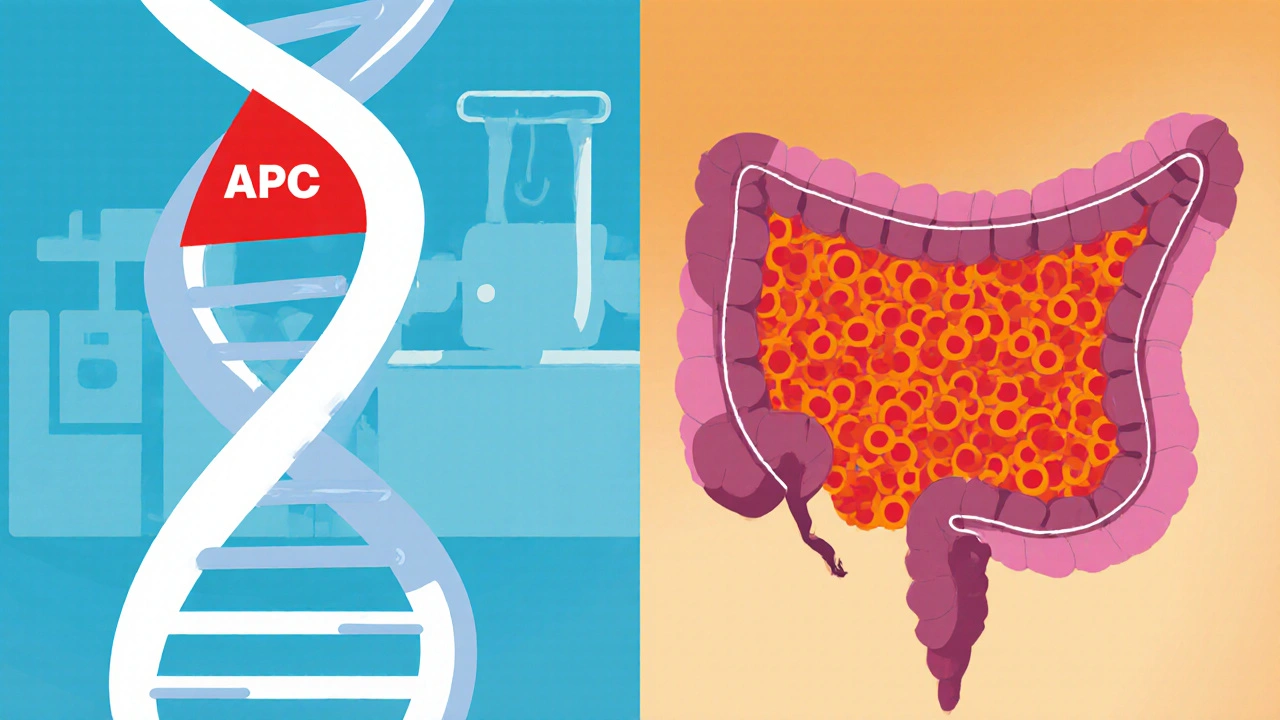
Explore how APC, MUTYH and other genes drive polyposis risk, when to get tested, and what preventive steps can lower colorectal cancer chances.
Read More