
When you hear lipid clinic, a specialized medical service focused on managing fats in the blood like cholesterol and triglycerides. Also known as cholesterol clinic, it’s not just about pills—it’s about long-term heart health through testing, diet, and smart medication use. If your doctor says your LDL is too high or your triglycerides are out of range, a lipid clinic gives you a clear plan—not just a prescription.
These clinics often work with people who have family history of early heart disease, diabetes, or those who don’t respond well to standard treatments. They check more than just cholesterol numbers—they look at your genetics, lifestyle, and how your body reacts to meds like statins, a common class of drugs used to lower LDL cholesterol. You might get tracked for muscle pain, liver enzymes, or vitamin D levels, especially if you’re on long-term therapy. Some patients even get tested for enzyme issues that affect how fats are processed, which ties into why some people feel worse on certain meds. It’s also common to see patients here managing conditions like metabolic syndrome, where high blood pressure, high sugar, and belly fat all play a role.
What makes a lipid clinic different? It’s the focus on precision. Instead of one-size-fits-all advice, you get a tailored approach. Maybe you’re on warfarin, a blood thinner that can be affected by diet and other meds, and your lipid team coordinates with your cardiologist to avoid dangerous interactions. Or maybe you’re vegan and need to find plant-based alternatives to pills that contain gelatin—something they’ve seen before and can help with. These clinics know that managing lipids isn’t just about numbers on a lab report. It’s about how you feel, what you eat, how you sleep, and whether your meds are truly working for you—not against you.
What you’ll find in the posts below are real, practical stories from people who’ve walked this path. From how statins affect liver tests, to why some generics don’t work the same for everyone, to how alcohol can mess with your blood thinners—these aren’t theory pieces. They’re lessons learned from daily life. Whether you’re just starting out with high cholesterol or you’ve been managing it for years, the info here cuts through the noise and gives you what actually matters.
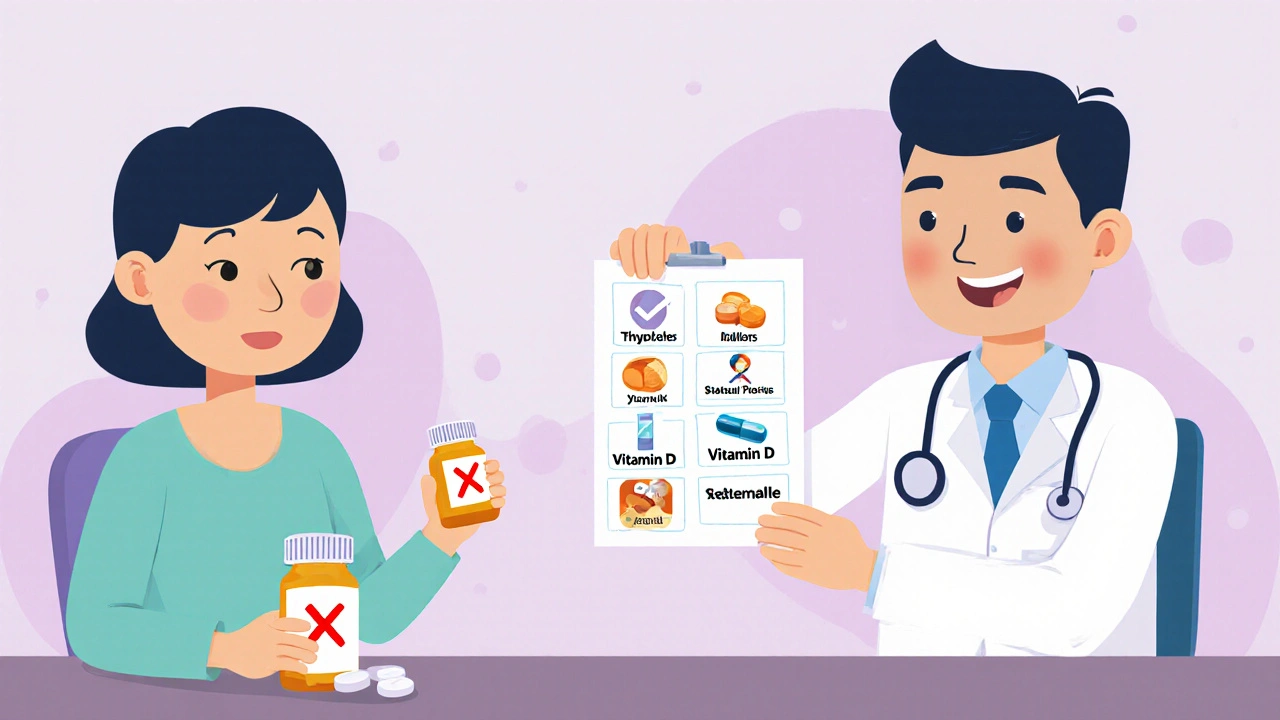
Statin intolerance clinics use structured protocols to help patients who experience muscle side effects from cholesterol drugs. Learn how rechallenge, switching statins, and intermittent dosing can get you back on life-saving therapy.
Read More