
When talking about genetic risk of polyposis, the inherited chance of developing multiple colon polyps due to DNA changes. Also known as hereditary polyposis risk, it determines whether a person may face a cascade of health decisions from early childhood onward. The core of this risk lies in specific gene mutations, especially those in the APC gene, which act like a faulty brake on cell growth in the colon. Because the APC gene controls how quickly cells divide, a broken copy pushes cells to form polyps faster, setting the stage for colorectal cancer if nothing is done.
One of the most recognizable forms of this inherited condition is familial adenomatous polyposis, often shortened to FAP. FAP is a classic example where dozens to hundreds of adenomatous polyps appear by the teenage years, dramatically raising cancer risk. Knowing you have FAP means you’ll likely need genetic testing to confirm the APC mutation. Genetic testing not only validates the diagnosis but also guides family members on whether they should be screened, making it a cornerstone of preventive medicine.
Once a mutation is identified, the next step is colon cancer screening. Screening protocols for high‑risk individuals differ from average‑risk guidelines: colonoscopies may start as early as age 10‑12 and repeat every 1‑2 years. Early detection of polyps allows doctors to remove them before they become malignant, effectively breaking the chain from gene to tumor. The relationship among these entities can be summed up in a few clear triples: genetic risk of polyposis includes APC gene mutations; APC mutations predispose to familial adenomatous polyposis; FAP requires early colon cancer screening.
Beyond the core trio, the broader picture includes genetic counseling, lifestyle adjustments, and, for some, prophylactic surgery. Genetic counseling provides a safe space to discuss the emotional weight of a hereditary condition, the chances of passing it to children, and the options available. Lifestyle tweaks—like a high‑fiber, low‑red‑meat diet—can’t erase the genetic code but may slow polyp growth. In severe cases, doctors may suggest a total colectomy to eliminate the organ most at risk, a decision made easier with a full understanding of the genetic backdrop.
The articles below dive into related health topics that often intersect with genetic risk, from drug safety considerations in cancer treatment to managing side effects of medications used during surveillance. You’ll find practical guides on how specific drugs interact with genetic profiles, tips on fertility preservation when undergoing chemotherapy, and insights into managing chronic conditions that could compound cancer risk. All of this information is curated to give you a well‑rounded view of how genetics, medication, and lifestyle weave together in the fight against polyposis‑related cancers.
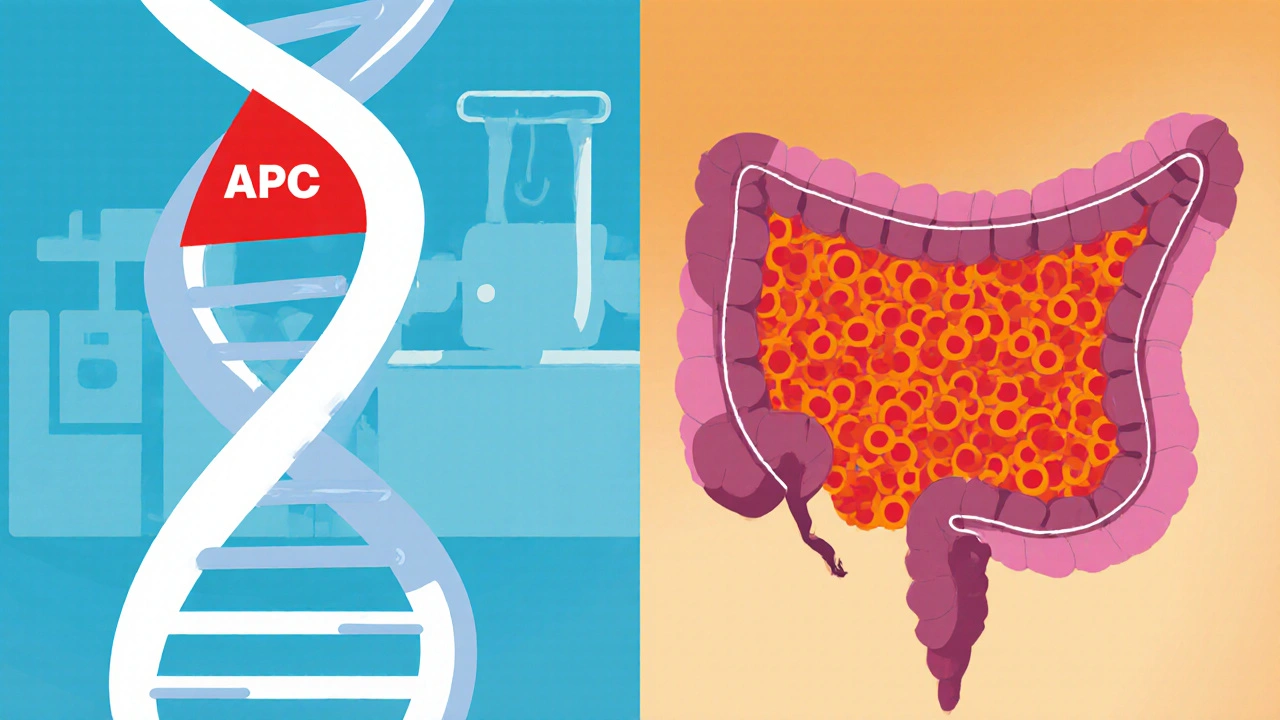
Explore how APC, MUTYH and other genes drive polyposis risk, when to get tested, and what preventive steps can lower colorectal cancer chances.
Read More