
When talking about FAP inheritance, the passing of Familial Adenomatous Polyposis through generations due to genetic mutation. Also known as hereditary polyposis syndrome, it sets the stage for early‑onset colon issues and requires proactive health steps.
This condition hinges on changes in the APC gene, a tumor‑suppressor gene that controls cell growth in the colon. When the APC gene is defective, thousands of polyps can form, driving a near‑certain progression to colorectal cancer, the malignant outcome most families fear. Knowing that the gene’s mutation is the root cause lets doctors and patients target the right interventions early.
Because genetic counseling, professional guidance that explains inheritance patterns and testing options bridges the gap between a gene test result and daily decisions, it becomes a must‑have tool for families dealing with FAP. Counselors help members understand who should be tested, what a positive result means for future health, and how to plan preventive measures.
One of those measures is regular screening colonoscopy, a visual exam that can spot and remove polyps before they turn cancerous. The earlier the colonoscopy starts—often in the teenage years—the more polyps can be removed, dramatically lowering cancer risk. Pairing colonoscopy with a clear genetic picture creates a feedback loop: the test tells you *when* to look, and the look tells you *what* to do next.
Beyond the colon, FAP can affect other organs. Some carriers develop duodenal polyps, thyroid nodules, or even skin lesions. This broader impact means the management plan should include multidisciplinary monitoring—gastroenterologists, surgeons, dermatologists, and endocrinologists—all coordinated through the lens of the APC gene status.
When families understand that FAP inheritance is not a destiny but a manageable risk, they can make informed choices about lifestyle, medication, and surgery. For example, some choose prophylactic colectomy once polyps become unmanageable, while others adopt a rigorous surveillance schedule combined with aspirin or other chemopreventive agents. Each path balances quality of life with cancer prevention, guided by the same genetic data.
Below, you’ll find a curated selection of articles that dive deep into related topics—from drug safety in cancer treatments to hormone therapies and mental health links. Together they form a toolbox that helps you navigate the complexities of FAP inheritance, whether you’re looking for practical screening tips, counseling advice, or the latest research on APC‑targeted therapies. Explore the pieces that match your situation and start building a proactive health plan today.
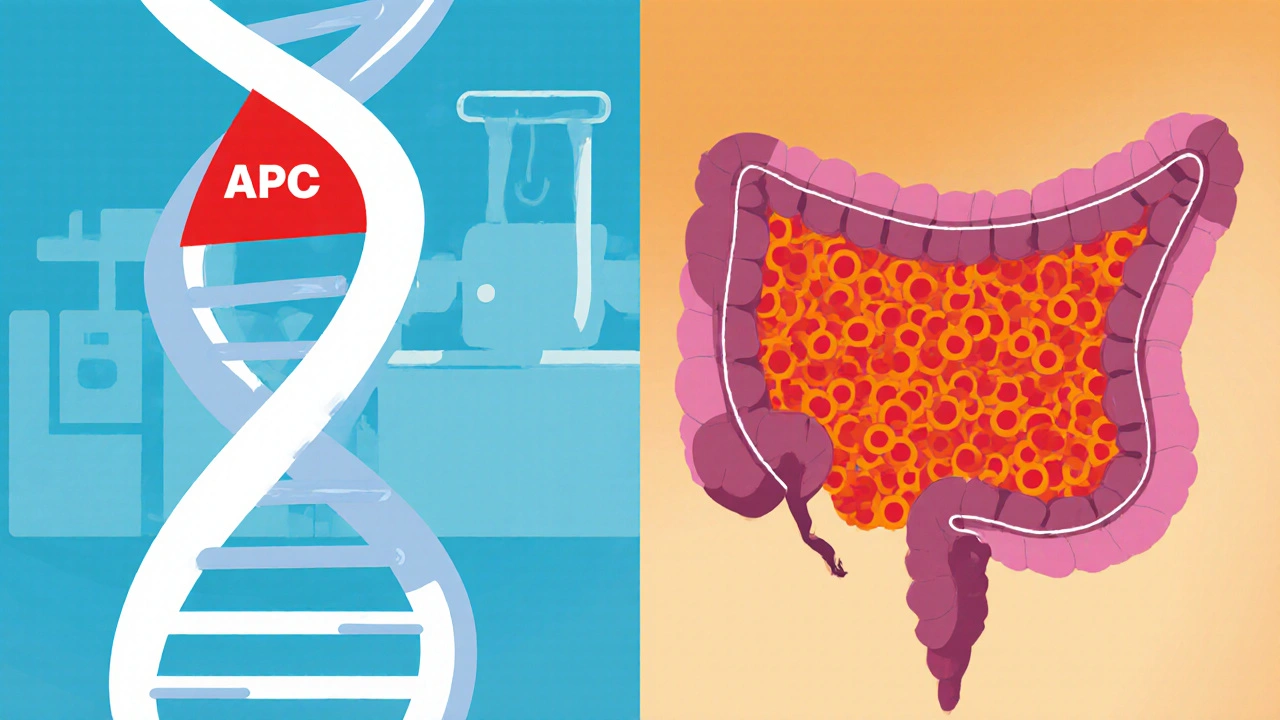
Explore how APC, MUTYH and other genes drive polyposis risk, when to get tested, and what preventive steps can lower colorectal cancer chances.
Read More