
When you hear CPAP machine, a device that delivers continuous positive airway pressure to keep airways open during sleep. Also known as continuous positive airway pressure device, it’s one of the most common and effective treatments for sleep apnea—a condition where breathing stops and starts repeatedly while you sleep. If you’ve been told you need one, you’re not alone. Over 10 million people in the U.S. use a CPAP machine nightly. But many don’t know how it actually works, why it helps, or what to expect when they start using it.
The sleep apnea, a disorder where the throat muscles relax too much during sleep, blocking airflow is more than just loud snoring. It’s linked to high blood pressure, heart problems, and daytime fatigue that can ruin your focus, mood, and even your relationships. A CPAP machine, a device that delivers continuous positive airway pressure to keep airways open during sleep solves this by gently pushing air through a mask, keeping your airway open like a balloon inflated just enough to stay open. It doesn’t breathe for you—it just prevents collapse. That’s why it’s not a cure, but a daily tool. And unlike surgery or pills, it works for most people when used consistently.
But not all CPAP machines are the same. Some are bulky and noisy. Others have heated humidifiers to stop dry throats. Some track your usage and send data to your doctor. Then there are alternatives—oral appliances, positional therapy, weight loss—that work for milder cases. But if your sleep study showed moderate to severe apnea, the CPAP machine is still the gold standard. The real challenge isn’t the machine—it’s sticking with it. Most people quit in the first few weeks because of discomfort, mask leaks, or feeling claustrophobic. But those who stick with it often say their energy, memory, and even their marriages improve. The key isn’t finding the fanciest model—it’s finding one that fits your face, your sleep style, and your life.
You’ll find posts here that dig into the real-world details: how to clean your mask without damaging it, why some people still feel tired even with a CPAP, what to do when you travel, and how to handle insurance paperwork. There are stories from people who hated their first machine but found one that finally worked. You’ll also see how CPAP use connects to other health issues—like how it affects blood pressure, diabetes control, and even depression. This isn’t just about sleep. It’s about living better, longer, and more alert. The machine is just the start.
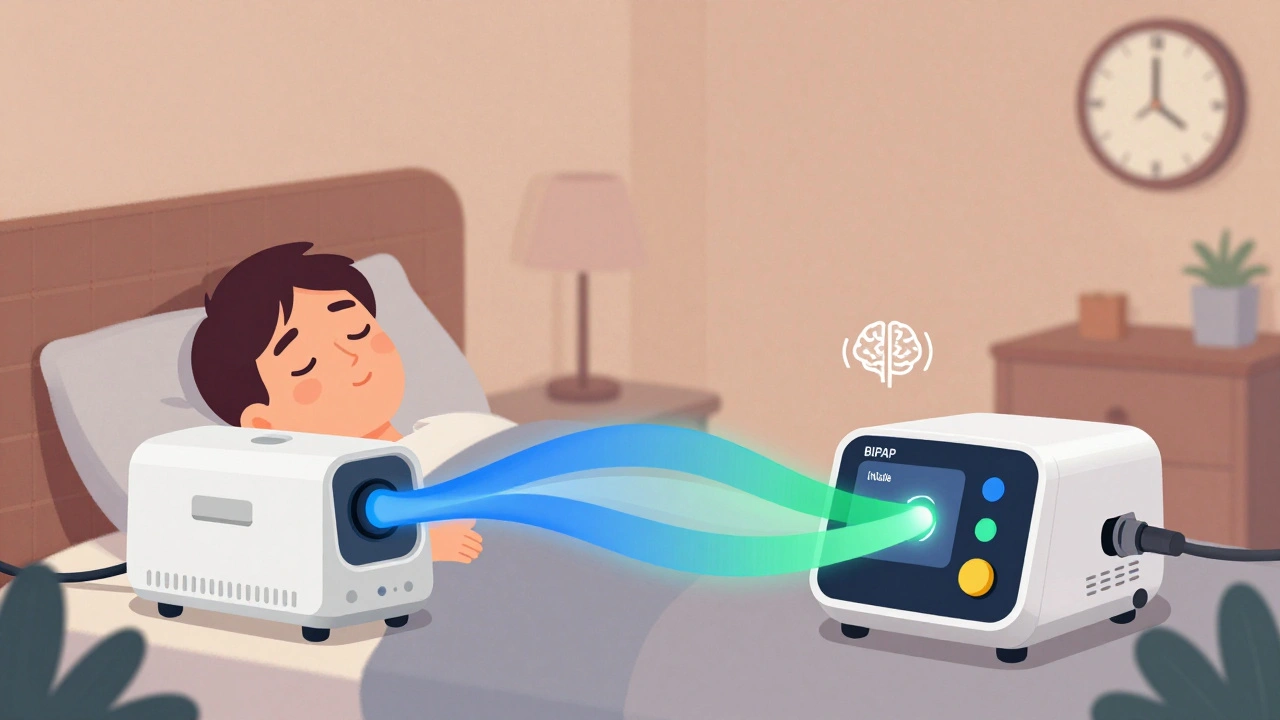
CPAP and BiPAP both treat sleep apnea, but they work differently. Learn when each is recommended, how they compare in cost and effectiveness, and which one is right for your specific condition.
Read More