
When you take contraceptive interactions, the unintended effects that happen when birth control medicines react with other drugs or supplements. Also known as hormonal contraception conflicts, these interactions can lower the pill’s ability to prevent pregnancy—or trigger side effects like breakthrough bleeding, mood swings, or even blood clots. It’s not just about antibiotics. Even common supplements like St. John’s wort, certain antiseizure meds, or even some antibiotics can throw off your hormone levels. The truth? Many people don’t realize their birth control might not be working as it should.
hormonal contraception, medications like the pill, patch, ring, or IUD that use estrogen or progestin to stop ovulation. Also known as birth control drugs, it’s one of the most widely used tools for preventing pregnancy—but it’s also one of the most sensitive to outside interference. If you’re on a seizure medication like carbamazepine or rifampin for tuberculosis, your body breaks down the hormones faster. That means less protection. Even some HIV meds and antifungal drugs can do the same. And it’s not just about pills: if you’re taking herbal supplements, especially ones marketed for weight loss or mood, you could be at risk. These aren’t rare cases—they’re documented in clinical studies and reported in pharmacy systems nationwide.
drug interactions, when two or more substances change how each other works in your body. Also known as medication conflicts, they’re why your doctor should know every pill, patch, or powder you’re using—not just the ones you think matter. This isn’t just about avoiding pregnancy. Some interactions can raise your risk of dangerous side effects, like high blood pressure or liver stress. For example, combining estrogen-containing contraceptives with certain antidepressants can increase the chance of blood clots. And if you’re on a medication for thyroid issues, high cholesterol, or even migraines, your contraceptive might need a closer look.
What you’ll find below isn’t a list of scary warnings—it’s a practical guide to what actually happens when birth control meets other meds. From real cases where people got pregnant despite using the pill, to how to talk to your pharmacist about hidden risks, these articles give you the facts you need to stay safe. You’ll see how common drugs like antifungals and antivirals play a role, why some people need backup methods, and how to spot the early signs your contraception isn’t working. No fluff. No guesswork. Just what you need to know before your next refill.
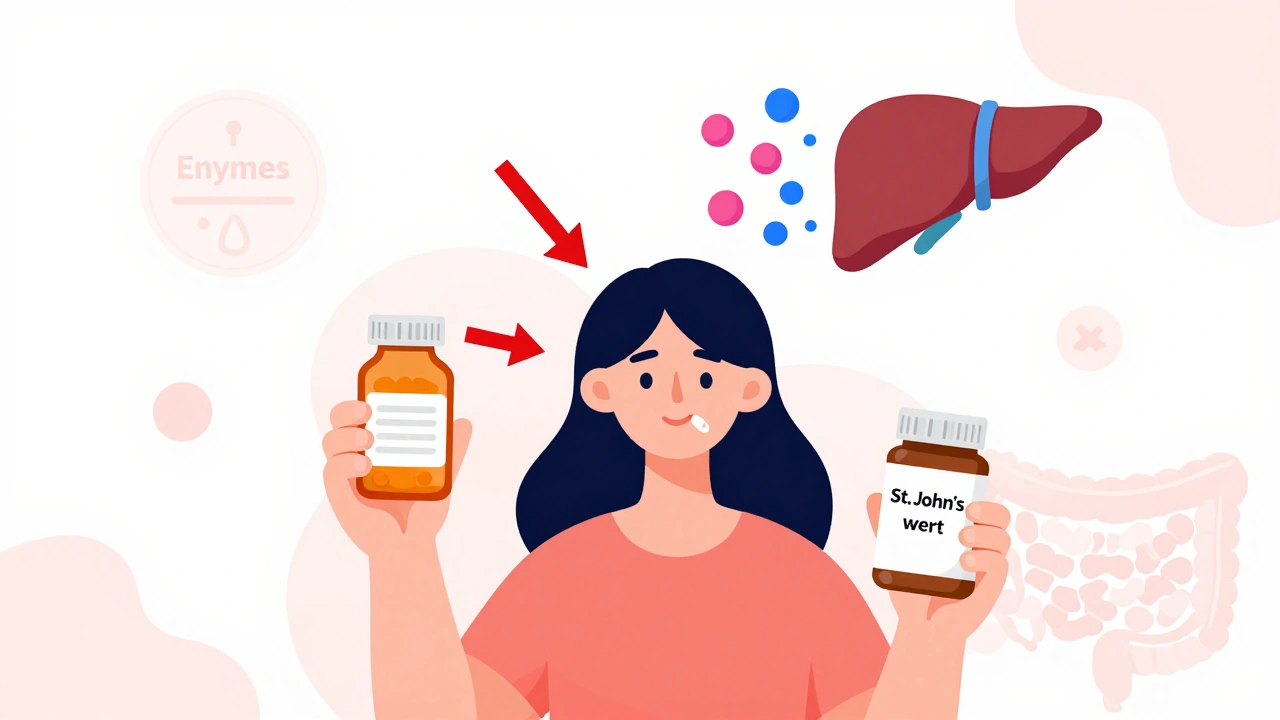
Some herbal supplements can make birth control less effective, especially St. John’s wort. Learn which ones are risky, which are safe, and what steps to take to protect yourself from unintended pregnancy.
Read More