
When treatment ends, many people think the hardest part is over—but for cancer survivorship, the ongoing journey of physical, emotional, and social recovery after cancer treatment. Also known as post-treatment cancer care, it’s the phase where you learn to live with the changes cancer left behind—whether it’s fatigue, nerve damage, anxiety, or a new normal. This isn’t the end of the road. It’s the start of something different: rebuilding strength, adjusting to new routines, and figuring out what health really means now.
Cancer survivorship involves more than just checking off appointments. It includes managing long-term side effects, health issues that linger or appear months or years after treatment ends, like heart problems from certain chemo drugs or memory changes from brain radiation. It also means dealing with survivorship care plans, personalized documents that list your treatment history, potential risks, and follow-up tests your doctor recommends. These aren’t just paperwork—they’re your roadmap to staying healthy. Many survivors don’t realize that their oncologist may hand them off to a primary care provider who doesn’t know their full history. That’s why having a clear care plan matters. It tells your new doctor what to watch for, what tests to order, and what symptoms could be serious.
Survivorship also brings emotional shifts. Some feel relief. Others feel lost. The constant medical attention stops, and suddenly you’re expected to just "get back to normal." But normal changed. You might worry about recurrence every time you feel a new ache. You might feel guilty for being healthy when others aren’t. You might struggle to explain to friends why you’re still tired after a full night’s sleep. These aren’t signs of weakness—they’re normal parts of healing. Support groups, counseling, and even peer mentoring can help you process this. You’re not alone in feeling this way.
Below, you’ll find real, practical advice from people who’ve been there. From how to handle medication changes after treatment, to navigating insurance for ongoing care, to understanding how certain drugs might affect your long-term health—you’ll find answers that go beyond the brochures. These aren’t theoretical tips. They’re strategies real survivors use to take back control, one day at a time.
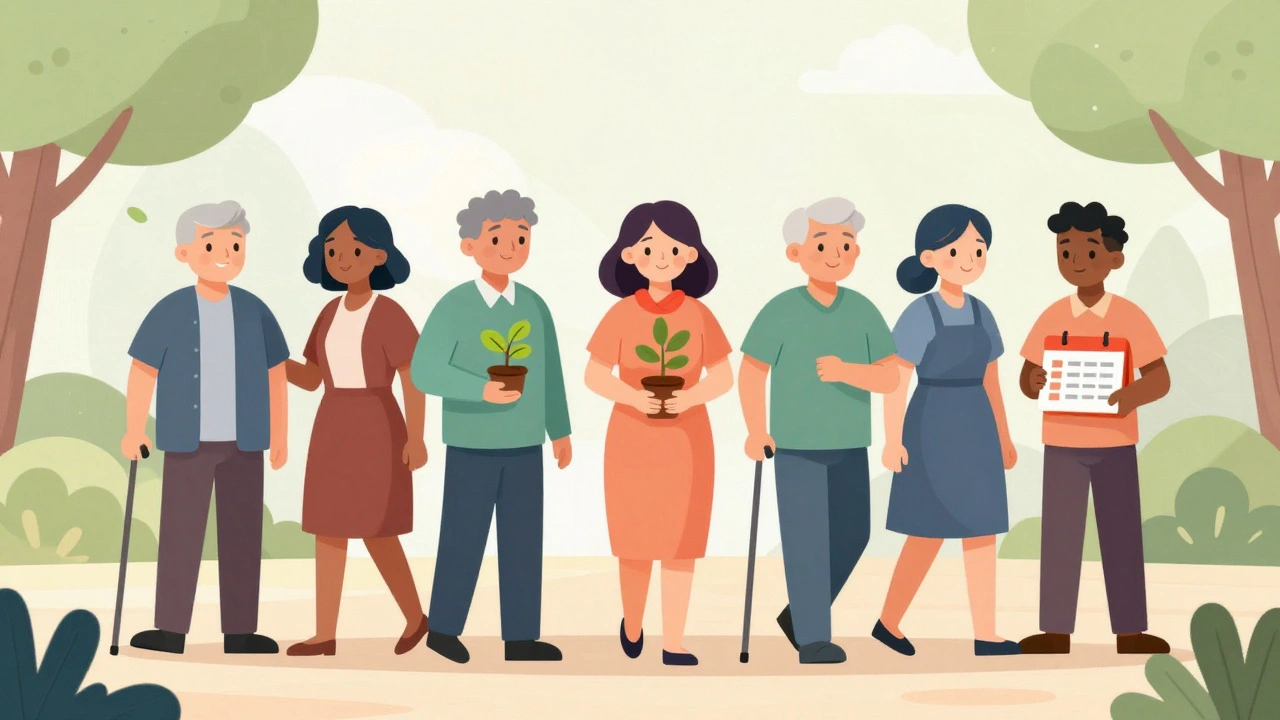
Cancer survivorship means managing long-term side effects and watching for recurrence. Learn how to protect your health after treatment with evidence-based care plans, exercise, and coordinated care between specialists and primary doctors.
Read More