
When cancer recurrence, the return of cancer after a period of remission following treatment. Also known as tumor return, it’s not a new cancer—it’s the same one that didn’t fully go away or came back after being undetectable. This isn’t rare. About 30% of people treated for common cancers like breast, colon, or prostate cancer will face it at some point. The fear of recurrence is real, but knowing what to look for and how to respond makes all the difference.
Chemotherapy, a treatment using drugs to kill cancer cells doesn’t always get every last cell. Some survive quietly, hiding in places like bone marrow or lymph nodes, waiting for the right conditions to grow again. That’s why cancer survival, the period after treatment when the disease is under control isn’t just about staying alive—it’s about staying alert. Regular check-ups, blood tests, and imaging scans aren’t just routine—they’re your early warning system. Signs like unexplained weight loss, new pain, fatigue that won’t quit, or a lump that wasn’t there before need to be checked fast.
Not all recurrences are the same. Some come back locally, near where the original tumor was. Others spread to distant organs—this is called metastatic recurrence. The good news? Medicine has gotten better at catching it early. Newer tests, like liquid biopsies, can now detect cancer DNA in your blood before a scan shows anything. And treatments have improved too. Targeted therapies and immunotherapies can work even when older drugs failed.
What you do after treatment matters just as much as what you did during it. Staying active, eating real food, managing stress, and avoiding smoking or heavy drinking aren’t just "good advice"—they lower your chances of recurrence. Studies show people who maintain a healthy weight after breast cancer cut their risk of return by nearly half. Sleep matters. Social support matters. Skipping your follow-up appointments doesn’t.
There’s no magic pill to stop cancer from coming back. But there are real, proven steps you can take. The posts below cover what doctors actually watch for, how to tell if symptoms are normal or worrying, why some people get recurrence and others don’t, and what new options exist if it does return. You’ll find advice on managing side effects after treatment, how to talk to your care team about fears of recurrence, and what lifestyle changes have the strongest evidence behind them. This isn’t about fear. It’s about control. And you have more of it than you think.
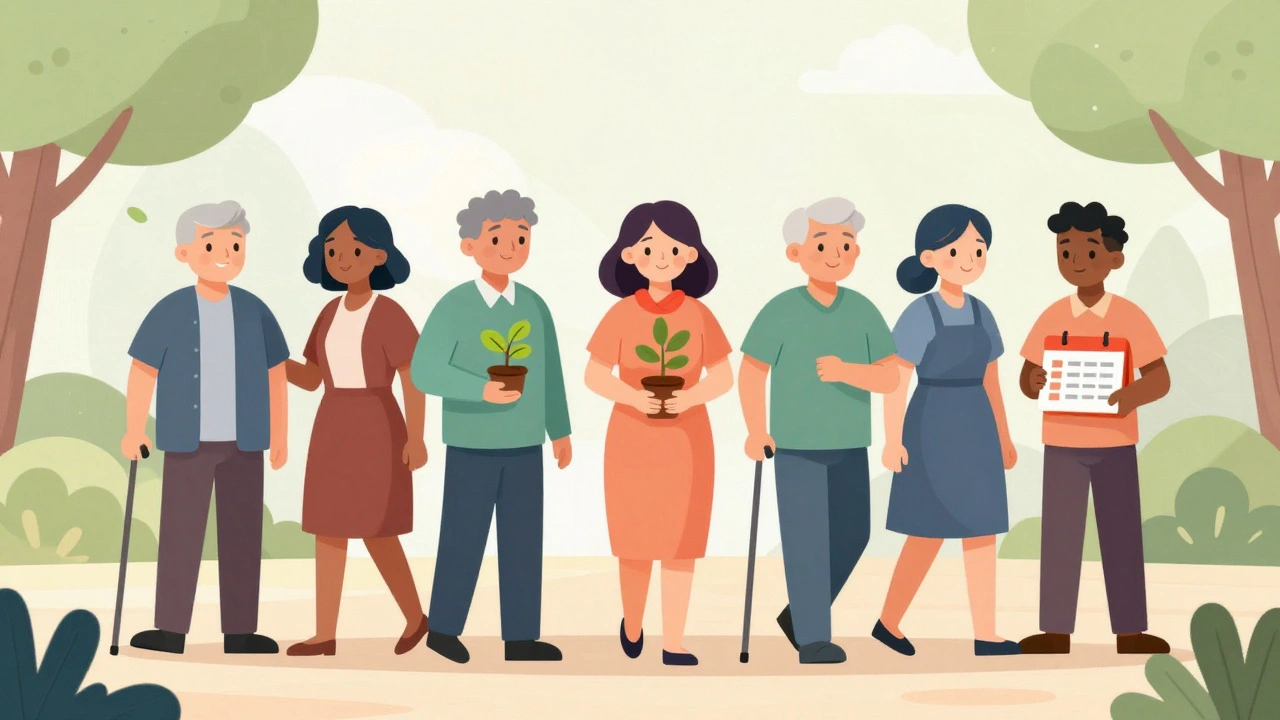
Cancer survivorship means managing long-term side effects and watching for recurrence. Learn how to protect your health after treatment with evidence-based care plans, exercise, and coordinated care between specialists and primary doctors.
Read More