
When thinking about bone health, the strength and resilience of your skeleton. Also known as skeletal wellness, it matters to everyone who wants to stay active and avoid fractures. Good bone health isn’t just a medical buzzword; it influences how comfortably you walk, lift, or play with kids. One of the biggest threats is osteoporosis, a condition where bones become porous and break easily. Understanding how osteoporosis develops helps you spot early signs and take steps before damage occurs.
Nutrition plays a starring role. Calcium, the building block of bone tissue, needs to be supplied consistently through dairy, leafy greens, or fortified foods. Without enough calcium, the body pulls it from bones, weakening the structure over time. But calcium doesn’t work alone—vitamin D acts like a key that unlocks calcium’s absorption in the gut. Low vitamin D levels are linked to reduced bone density and higher fracture risk, especially in older adults who spend less time outdoors. Pairing these two nutrients creates a synergy: vitamin D boosts calcium uptake, and calcium supplies the material that bone cells need to repair and grow.
Beyond diet, movement is essential. Exercise, especially weight‑bearing activities like walking, jogging, or resistance training, sends signals to bone‑forming cells to increase mass and strength. Regular bouts of exercise improve balance, too, lowering the chance of falls that could break vulnerable bones. When you combine adequate calcium, sufficient vitamin D, and consistent exercise, you create a triple‑action plan that supports bone remodeling, maintains density, and reduces the odds of developing osteoporosis. For those already diagnosed, doctors often recommend bone density testing to monitor progress and adjust treatment.
Putting these pieces together forms a clear picture: bone health encompasses nutrition, sunlight exposure, physical activity, and medical monitoring. Each factor influences the others—good nutrition fuels exercise performance, while exercise enhances the body’s response to vitamin D. By paying attention to these interconnected elements, you can protect your skeleton today and into the future. Below you’ll find a curated set of articles that dive deeper into genetics, drug interactions, and lifestyle tweaks that all tie back to strong bones.
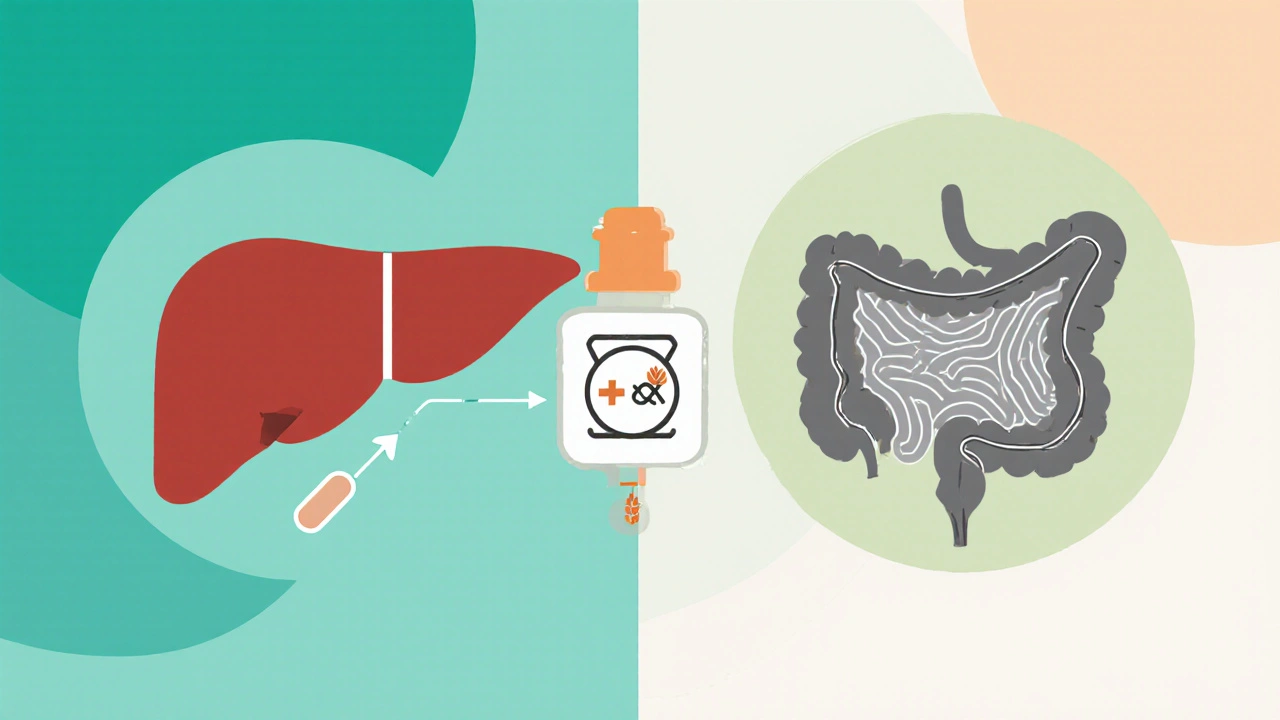
Discover how alfacalcidol improves calcium absorption, bone health, and overall wellbeing for celiac patients, with dosing tips, safety advice, and a handy comparison table.
Read More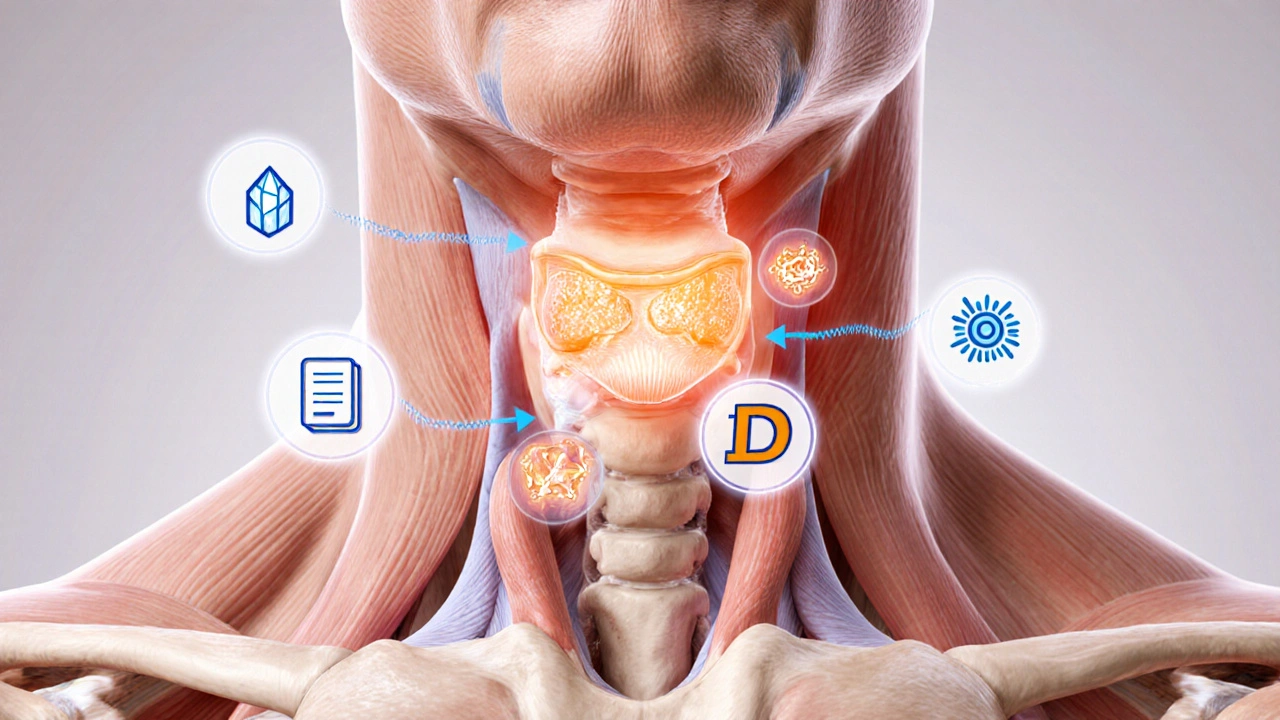
Learn how calcium and vitamin D work together to manage secondary hyperparathyroidism, with diet tips, supplement guidelines, lab monitoring and FAQs.
Read More