
When it comes to birth control effectiveness, how well a method prevents pregnancy over time, measured by typical and perfect use rates. Also known as contraceptive success rate, it’s not just about the pill or the shot—it’s about how the method works with your body, your habits, and your daily life. Many people assume all birth control is equally reliable, but that’s not true. A method that’s 99% effective with perfect use can drop to 91% with typical use—and that gap matters.
Take the hormonal birth control, methods like the pill, patch, or ring that release hormones to stop ovulation. When taken exactly as directed, they’re over 99% effective. But if you miss a pill, take it late, or forget to change the patch, the risk of pregnancy jumps. That’s why the IUD, a small device inserted in the uterus that provides long-term, hands-off protection is often the most reliable choice. IUDs are over 99% effective even with typical use because they don’t rely on daily action. Once it’s in, you’re protected for years. The same goes for the implant—a tiny rod placed under the skin that works for up to five years without any input from you.
Then there are methods like condoms, spermicide, or the rhythm method. These are more prone to user error. Condoms, when used perfectly, are about 98% effective. But in real life, slips, breaks, or not using them every time drop that number to around 87%. And if you’re trying to track your cycle to avoid pregnancy, the numbers get even lower—around 76% effective. That’s because ovulation doesn’t always follow a calendar. Stress, illness, or even a change in sleep can throw it off.
What most people don’t realize is that effectiveness isn’t just about the device or drug—it’s about fit. A method that’s perfect for one person might be a disaster for another. If you travel a lot, forget pills, or hate putting things in your body, an IUD or implant might be the only option that actually works for you. If you’re on a tight budget, generic pills can be just as effective as brand-name ones, but only if you take them consistently. And if you’re worried about side effects, non-hormonal options like the copper IUD offer high effectiveness without hormones at all.
There’s also a big difference between what’s listed on a website and what happens in real life. Studies show that people often overestimate how well they’re using their method. One 2023 analysis found that nearly 40% of people using the pill thought they were taking it perfectly, but missed at least one dose a month. That’s why the most effective birth control isn’t always the one with the highest number on paper—it’s the one you can stick with.
And it’s not just about pregnancy prevention. Some methods help with acne, cramps, or heavy periods. Others might make you feel off—mood swings, weight changes, headaches. That’s why choosing birth control isn’t a one-size-fits-all decision. It’s a balance between effectiveness, side effects, convenience, and how well it fits into your life.
Below, you’ll find real-world insights from people who’ve tried different methods, studies on what actually works, and clear comparisons between options so you know exactly what to expect—not just what’s advertised.
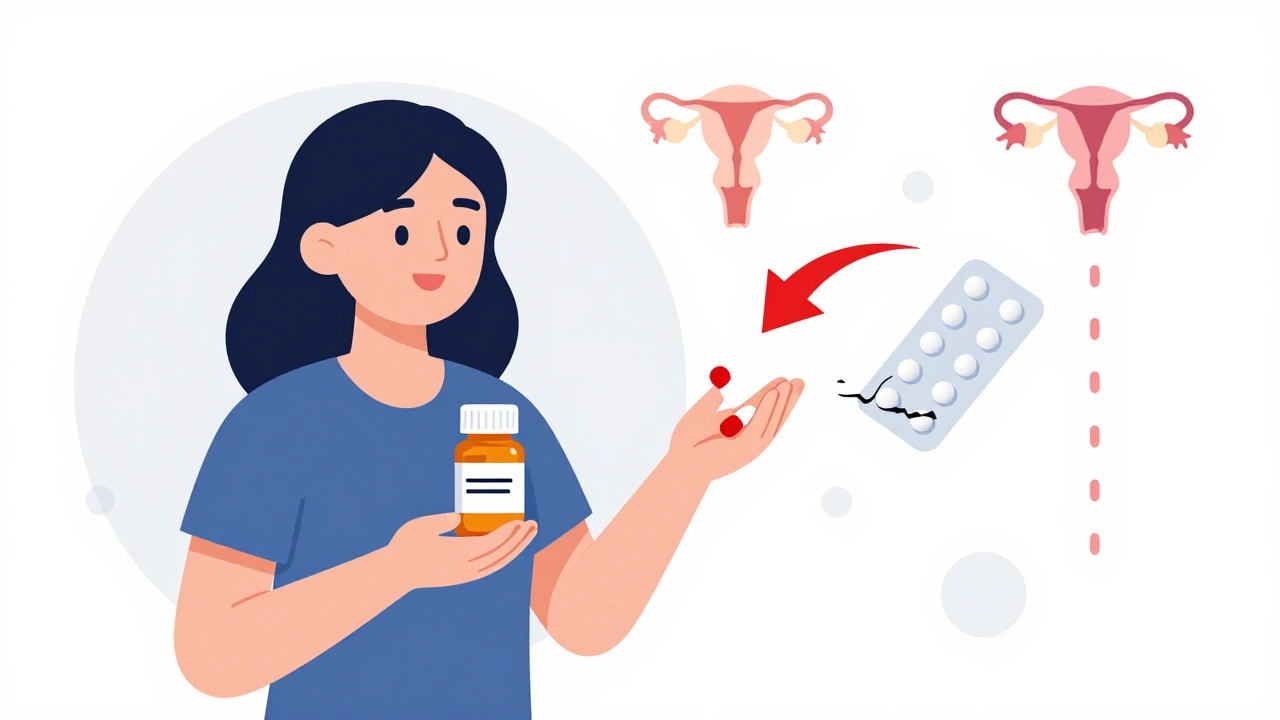
Many anticonvulsants reduce the effectiveness of birth control pills, patches, and rings, raising the risk of unplanned pregnancy. Learn which seizure meds interfere, which birth control methods still work, and what to do now.
Read More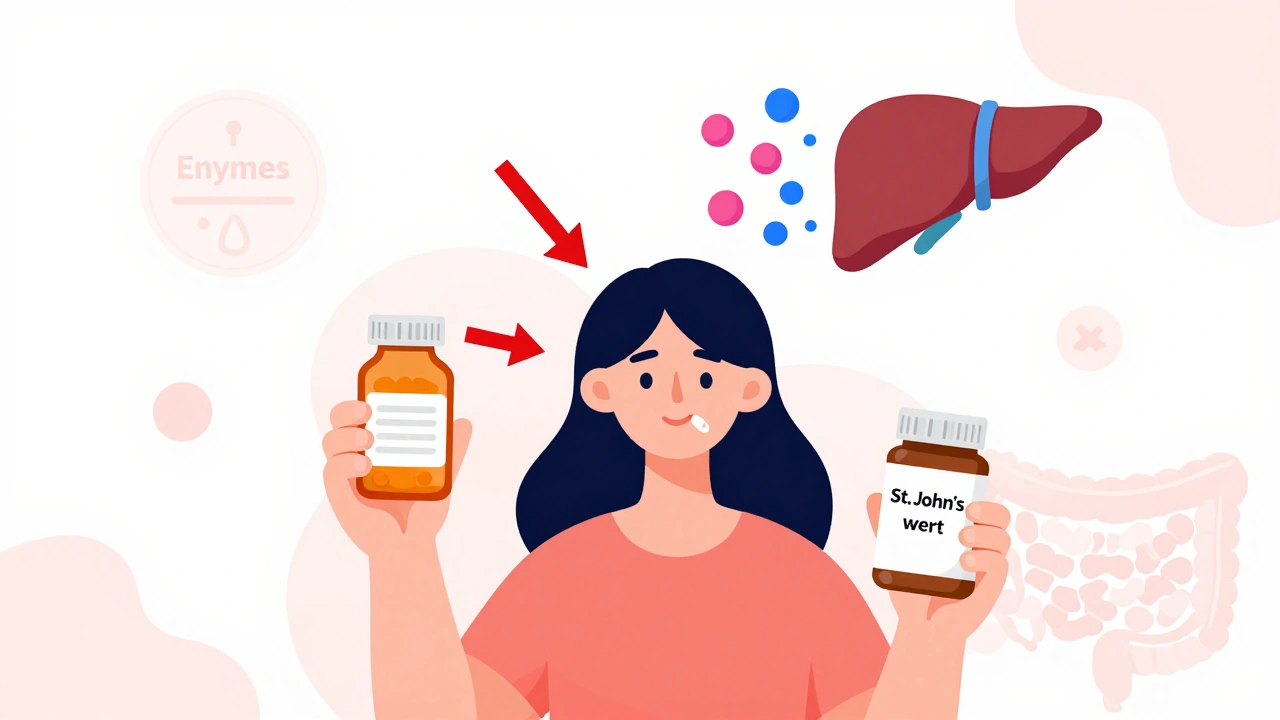
Some herbal supplements can make birth control less effective, especially St. John’s wort. Learn which ones are risky, which are safe, and what steps to take to protect yourself from unintended pregnancy.
Read More