
When you take an antibiotic, a medication designed to kill or slow the growth of bacteria. Also known as antibacterial agents, they’re one of the most common drugs prescribed worldwide—but they’re not harmless. Even when used correctly, antibiotics can trigger reactions that range from annoying to deadly. Not every reaction is an allergy. Some are side effects, others are interactions with other meds, and a few are delayed immune responses you didn’t see coming.
Antibiotic allergies, an immune system overreaction to the drug, often show up as rashes, swelling, or trouble breathing. Penicillin and sulfa drugs are the usual suspects, but even newer antibiotics like azithromycin can cause problems. Meanwhile, antibiotic interactions, when antibiotics clash with other medications, can mess with how your body processes both drugs. For example, mixing certain antibiotics with blood thinners or birth control can lower their effectiveness—or make side effects worse. And then there’s the silent risk: drug side effects, unintended physical changes caused by the medication. Diarrhea from gut bacteria disruption, liver stress, or even nerve damage from long-term use aren’t rare. Most people think antibiotics are safe because they’re common. But that’s exactly why people ignore the warning signs.
What you might call a "bad reaction" could be something serious like Stevens-Johnson syndrome, anaphylaxis, or Clostridioides difficile infection. These aren’t just inconveniences—they can land you in the hospital. The good news? You don’t have to guess. Many reactions are predictable if you know your history, your meds, and what symptoms to watch for. The posts below cover real cases: how one person’s rash turned into a hospital trip after mixing antibiotics with a supplement, why some people react differently to generics, and how to tell if your stomach upset is just a side effect or something more dangerous. You’ll also find advice on what to ask your doctor before the next prescription, how to track your reactions over time, and which antibiotics are safest if you’ve had issues before. This isn’t just about avoiding trouble—it’s about knowing when to speak up before it’s too late.
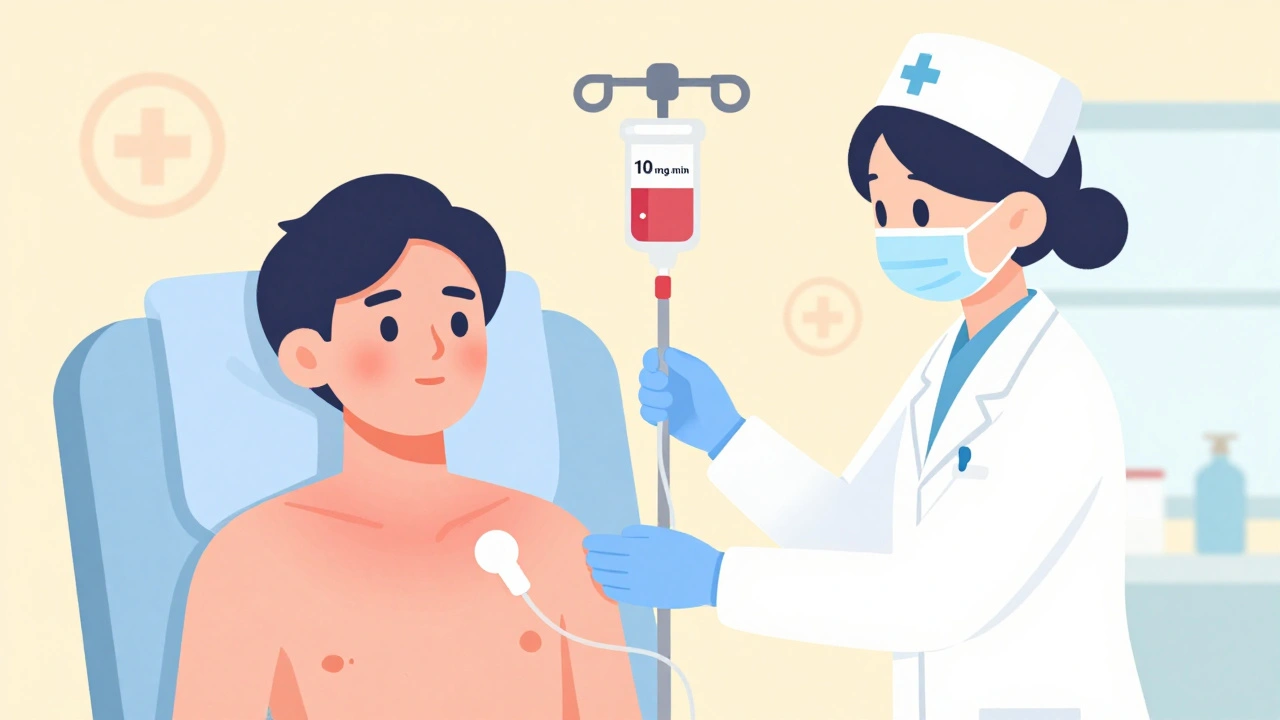
Vancomycin infusion reactions, once called red man syndrome, are common but preventable. Learn how slow infusion prevents flushing, itching, and hypotension - and why the outdated term is being phased out in modern medicine.
Read More