
When people look for a natural way to ease depression, St. John's wort, a yellow-flowered herb used for centuries in Europe to lift mood. Also known as Hypericum perforatum, it's one of the most studied herbal supplements for mild to moderate depression—but it's not harmless. Unlike prescription antidepressants, it doesn’t come with a warning label you can’t miss. But that’s exactly why it’s dangerous. People assume "natural" means safe, and they start taking it alongside their SSRIs, blood thinners, or birth control—without telling their doctor.
Drug interactions, how one substance changes how another works in your body are the real issue here. St. John's wort speeds up liver enzymes that break down meds, which means your antidepressant, birth control, or even heart medication stops working like it should. A 2021 study in the Journal of Clinical Psychiatry found that people taking St. John's wort with SSRIs had a 30% higher chance of serotonin syndrome—a rare but life-threatening spike in brain serotonin. And if you're on warfarin? Your INR can drop fast, raising your risk of clots. Even birth control can fail. There’s no "maybe" here: this herb interferes with over 50 common medications.
Depression treatment, the process of managing low mood through therapy, meds, or lifestyle changes doesn’t need to be all or nothing. If your symptoms are mild, talk therapy, exercise, and sleep fixes often work better than any herb. If your depression is moderate or worse, skipping proven meds for St. John's wort isn’t bravery—it’s risk. And if you’re already on meds? Stopping them cold turkey to switch to an herb can make things worse. The FDA doesn’t regulate supplements like drugs, so what’s in the bottle might not match the label. One batch might have enough active ingredient to help. The next might be mostly filler. There’s no quality control.
There’s a reason doctors don’t push St. John's wort. It’s not because they hate natural remedies—it’s because they’ve seen the fallout. People end up in the ER because they thought a little yellow flower was safer than a pill. But safety isn’t about where something comes from. It’s about what it does in your body. If you’re considering it, talk to your pharmacist first. Bring the bottle. Ask: "Will this mess with anything I’m already taking?" And if you’re already using it, don’t quit cold. Talk to your provider about how to stop safely.
Below, you’ll find real cases and hard facts about what happens when herbal supplements meet prescription drugs—what works, what doesn’t, and who pays the price when people assume nature knows best.
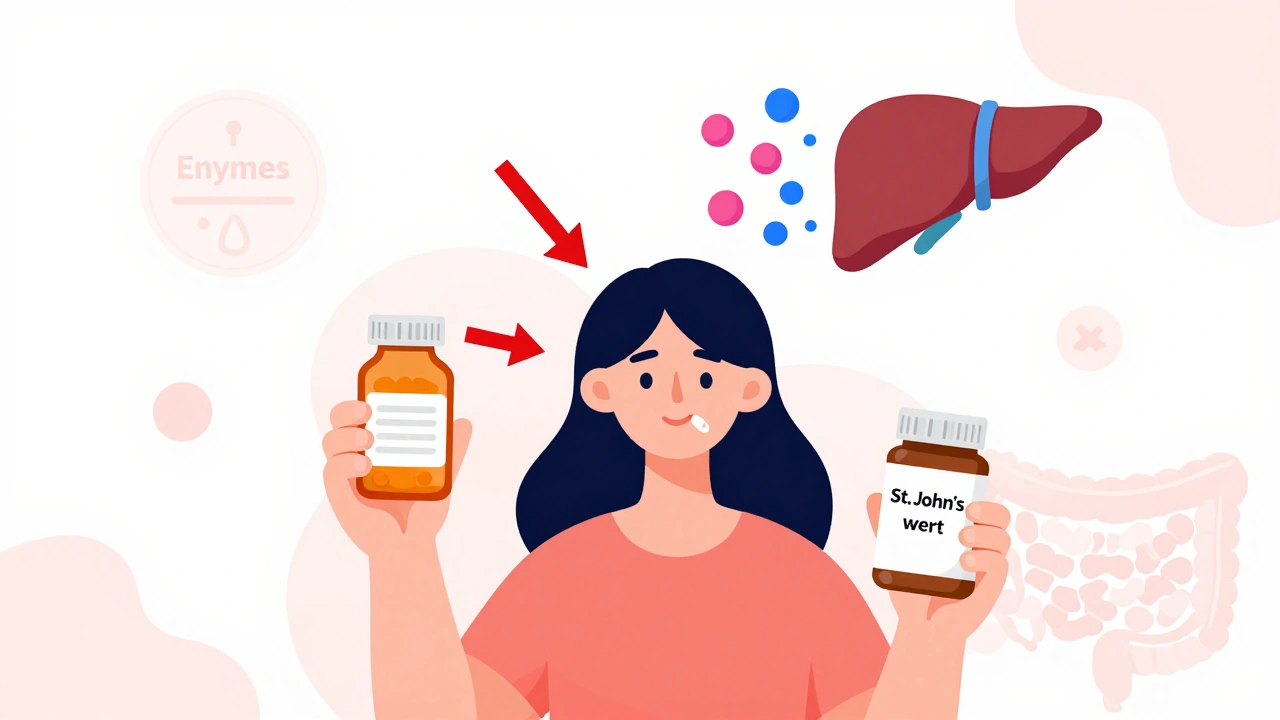
Some herbal supplements can make birth control less effective, especially St. John’s wort. Learn which ones are risky, which are safe, and what steps to take to protect yourself from unintended pregnancy.
Read More