
When a new drug hits the market, its patent term restoration, a regulatory mechanism that extends market exclusivity after FDA review delays. Also known as drug patent extension, it’s not about renewing a patent—it’s about giving back time lost during FDA approval. The process was created to balance innovation and access: drug companies spend years and billions developing new medicines, but the FDA’s review process can eat up half that time before the drug even hits shelves. Patent term restoration fixes that imbalance by adding back up to five years of exclusivity, but only if the company applied early and met strict criteria.
This system isn’t the same as pediatric exclusivity, a six-month market shield granted when drug makers study their medicines in children. While both delay generics, they work differently. Patent term restoration makes up for bureaucratic delays; pediatric exclusivity rewards extra research. You’ll see both in action in drugs like those covered in our posts on FDA Orange Book listings and drug exclusivity. The real impact? When a drug gets extra exclusivity, generics stay off the market longer—keeping prices high and forcing patients to pay more, even when the science is old.
It’s not just about patents. The system ties into how pharmacies profit from generics, how insurers cover new drugs, and why some medications have fewer alternatives. For example, generic drug delay, the period when no cheaper versions are allowed despite patent expiration often comes from these exclusivity rules, not patents themselves. That’s why you’ll find articles here on how generics drive pharmacy profits despite low prices, or why some people react differently to generics due to inactive ingredients. These aren’t random topics—they’re all connected to the same system that controls who can sell what, and when.
What you’ll find in the posts below are real-world examples of how this system plays out: from how pediatric studies lock out competition, to how drug makers use regulatory loopholes to keep prices up, to how patients end up paying the price for delays in approval. There’s no theory here—just what’s happening in clinics, pharmacies, and insurance offices. If you’ve ever wondered why a drug you need still costs hundreds of dollars even though it’s been around for decades, the answer starts with patent term restoration.
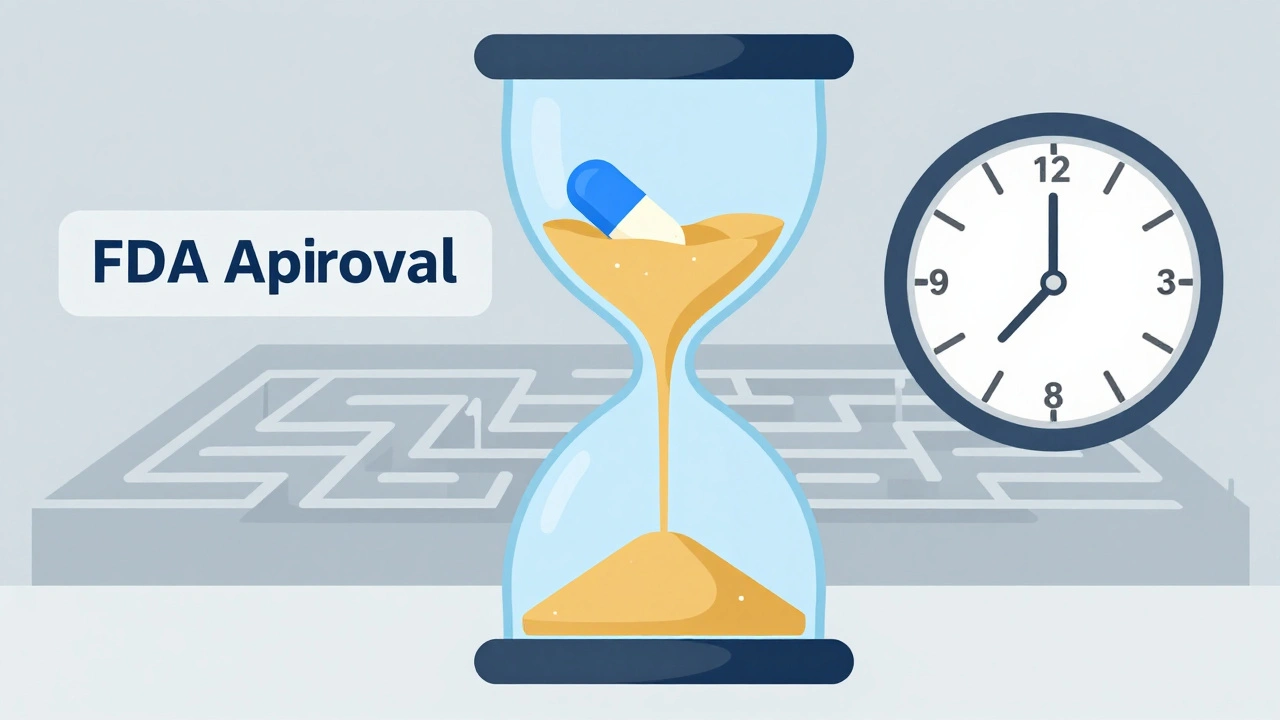
Patent Term Restoration gives drug makers extra patent time to make up for FDA approval delays. Learn how it works, who benefits, and why it keeps drug prices high.
Read More