
When you hear patent extension, a legal tool that gives drugmakers extra time to sell a brand-name drug without generic competition. Also known as market exclusivity, it’s not about renewing the original patent—it’s about adding time through rules built into the FDA’s system. Most people think patents last 20 years, and that’s it. But in reality, many drugs stay protected for much longer thanks to things like pediatric exclusivity, a six-month bonus period granted when a company studies a drug in children. This isn’t a reward for innovation—it’s a trade. The FDA says, "Do the extra studies to make sure kids aren’t harmed," and in return, the company gets to block generics for half a year longer.
That six-month delay might sound small, but for a blockbuster drug, it’s worth billions. Think of it like a countdown clock: the patent clock ticks down, but the exclusivity clock keeps running. And it’s not just for kids. The FDA also grants exclusivity for new uses, orphan drugs, and even for meeting certain safety reporting requirements. These aren’t patents—they’re regulatory hurdles that generics can’t jump over until the clock runs out. That’s why you might see a drug still priced high years after its patent technically expired. The real gatekeeper isn’t the patent office—it’s the FDA’s list of exclusivity periods.
And here’s the kicker: this system works because it’s written into law, not buried in fine print. Section 505A of the FDCA created pediatric exclusivity. Section 505(c)(3)(E) handles orphan drug exclusivity. These aren’t loopholes—they’re intentional design choices meant to encourage research in areas drug companies ignore. But the result? A patchwork of delays that keep generics off shelves. Some of these delays stack up. A drug might get six months for pediatric studies, another six months for orphan status, and even more if it’s a new formulation. That’s why you’ll see the same brand-name drug selling for $500 a month while a generic version of the exact same chemical sits in a warehouse, waiting for its turn.
What you’ll find in the articles below are real-world examples of how this plays out. You’ll see how FDA exclusivity, the umbrella term for all non-patent protections that delay generic entry. affects everything from cancer drugs to cholesterol meds. You’ll learn how companies use pediatric studies not just to help kids, but to lock in profits. You’ll even see how the same drug can have multiple layers of exclusivity, each one pushing back the day a cheaper version hits the pharmacy shelf. This isn’t theory—it’s the hidden math behind your prescription costs. And once you understand how patent extension works, you’ll never look at a drug label the same way again.
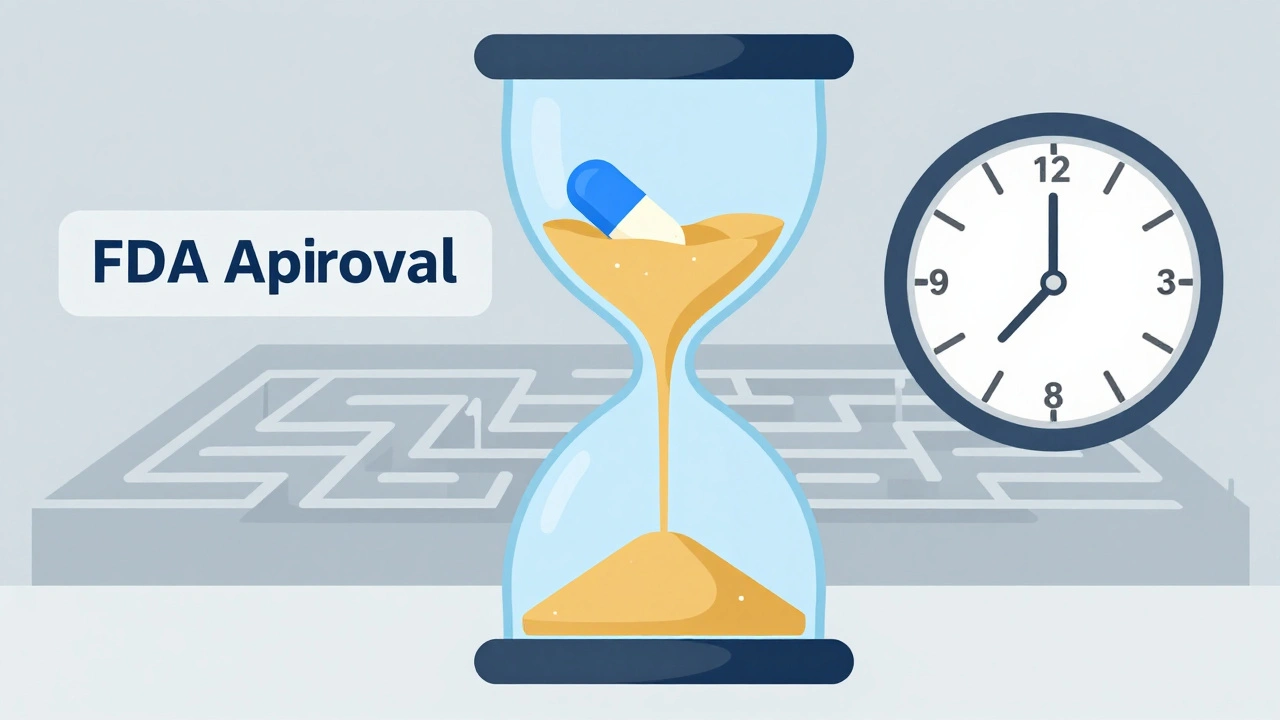
Patent Term Restoration gives drug makers extra patent time to make up for FDA approval delays. Learn how it works, who benefits, and why it keeps drug prices high.
Read More