
When you reach for a bottle of herbal supplements, plant-based products taken to support health, often marketed as natural alternatives to prescription drugs. Also known as natural remedies, they’re used for everything from sleep and anxiety to joint pain and immune support. But calling them "natural" doesn’t mean they’re harmless. Many people assume if it comes from a plant, it’s safe to mix with their meds. That’s not true—and it’s why so many end up in the ER.
Dietary supplements, products taken to add nutrients or other substances to the diet, including vitamins, minerals, and herbs like Jamaican Dogwood or St. John’s Wort don’t go through the same testing as prescription drugs. The FDA doesn’t approve them for safety or effectiveness before they hit shelves. That means what’s on the label isn’t always what’s inside. One study found nearly 80% of herbal products had contaminants or didn’t contain the herb listed. And because these aren’t regulated like medicines, dosing can vary wildly between brands—even within the same brand over time.
That’s where drug interactions, harmful or reduced effects when two or more substances are taken together become dangerous. For example, St. John’s Wort can make birth control, antidepressants, or blood thinners stop working. Turmeric might boost bleeding risk if you’re on warfarin. Even something as simple as ginger can interfere with diabetes meds. These aren’t rare cases—they happen every day. And most people don’t tell their doctor they’re taking them. Why? Because they think it’s "just a supplement." But your body doesn’t care if it came from a lab or a tree.
Supplement safety, the practice of using herbal and dietary products without causing harm, especially when combined with other medications isn’t about avoiding all herbs. It’s about knowing when and how to use them. Some, like ginger for nausea or melatonin for sleep, have decent evidence behind them. Others? Barely any. The key is asking: Is this helping me, or just costing me money and risking my health? And are you sure your doctor knows you’re taking it?
You’ll find real stories here—not guesses, not marketing. Posts that show how herbal supplements actually behave in the body, how they clash with common meds, and what science says about their real-world effects. From the quiet risks of everyday herbs to the hidden dangers in popular blends, this collection cuts through the noise. You’ll learn what works, what doesn’t, and most importantly, what could hurt you if you don’t pay attention.
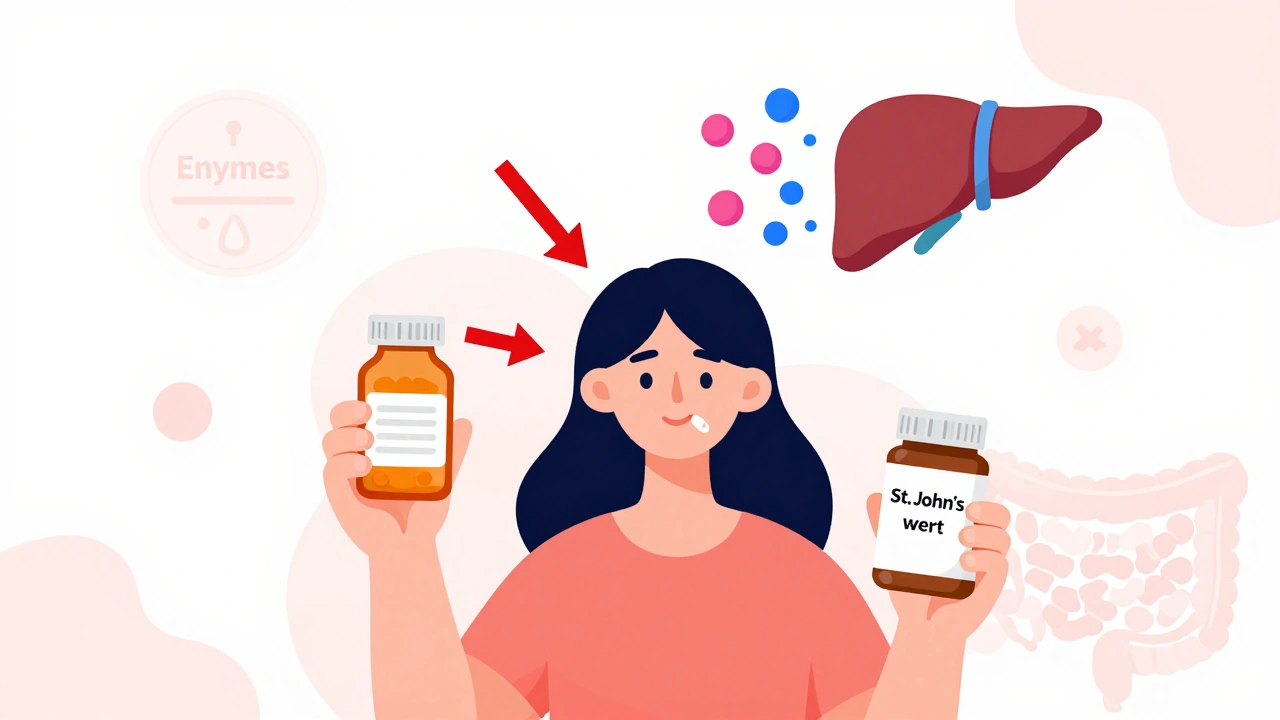
Some herbal supplements can make birth control less effective, especially St. John’s wort. Learn which ones are risky, which are safe, and what steps to take to protect yourself from unintended pregnancy.
Read More