
When you hear griseofulvin vs terbinafine, a side‑by‑side look at two classic antifungal medicines, you’re probably wondering which one will clear your infection faster, cost less, or cause fewer headaches. Also known as griseofulvin, a synthetic drug that stops fungal cell division and terbinafine, an allylamine that attacks the fungal cell membrane, these agents fight the same culprits – dermatophytes, yeasts, and molds – but they do it in different ways. Understanding their mechanisms, dosing tricks, and safety quirks helps you pick the right tool for nail fungus, ringworm, or scalp infections.
Both drugs belong to the broader group of antifungal treatments, medicines designed to halt the growth of pathogenic fungi. The core difference lies in how they attack the fungus. Griseofulvin interferes with microtubule formation, which blocks the fungus from replicating its cells – a slower, more gradual effect. Terbinafine, on the other hand, inhibits squalene epoxidase, causing a buildup of toxic squalene inside the fungal cell and leading to rapid cell death. In semantic terms, griseofulvin vs terbinafine encompasses efficacy, speed of action, and safety profile, while each drug requires a prescription and a physician’s oversight.
When it comes to the spectrum of infections, griseofulvin shines with dermatophytes that affect the scalp and skin, making it a go‑to for tinea capitis in children. Terbinafine covers the same ground but adds strong activity against onychomycosis – the stubborn nail fungus that many patients dread. Because of this, the phrase "griseofulvin vs terbinafine" often surfaces in discussions about treating onychomycosis, a chronic fungal infection of the nails that can last months or years. If you’re battling thick, discolored toenails, terbinafine’s higher cure rates and shorter courses usually tip the scales in its favor.
Dosage and treatment length are practical deal‑makers. Griseofulvin typically demands a daily dose taken for 6 to 12 weeks for skin infections, and up to 12 months for scalp cases. Its extended timeline can be a compliance hurdle. Terbinafine compresses the schedule: 250 mg daily for 6 weeks for skin infections or 12 weeks for nail infections, with many patients seeing improvement in just a few weeks. This difference creates a clear semantic triple: "griseofulvin vs terbinafine" → "treatment duration" → "long vs short". Shorter courses often mean fewer missed doses and better overall outcomes.
Side‑effect profiles also influence the choice. Griseofulvin may cause headaches, gastrointestinal upset, and rare liver enzyme changes, especially at higher doses. Terbinafine is generally well‑tolerated but carries a warning for potential liver toxicity; liver function tests are recommended before and during therapy. Both drugs can interact with other medications, so a thorough medication review is essential. Here, the relationship "both require monitoring" strengthens the comparison and helps readers anticipate the extra steps needed for safe use.
Cost and accessibility differ by region and insurance coverage. Griseofulvin, being older, is often cheaper in generic form but may be harder to find in some pharmacies because newer clinicians favor terbinafine. Terbinafine’s price has dropped with widespread generic availability, yet it can still be pricier than griseofulvin in certain markets. For patients on a budget, weighing the overall value—price plus treatment length—can make a decisive impact.
Special populations add another layer. Children under two years usually avoid terbinafine, while griseofulvin remains a safer option for pediatric scalp infections. Pregnant or nursing mothers should discuss risks; both drugs cross the placenta, but current guidelines generally advise caution. Patients with liver disease need dose adjustments or alternative therapies regardless of the chosen drug, underscoring the need for individualized care.
Armed with this overview, you can now navigate the nuances of griseofulvin vs terbinafine with confidence. Below you’ll find a curated collection of articles that dive deeper into genetics, medication safety, disease mechanisms, and practical tips—all tied to the broader world of antifungal therapy and patient health. Explore the posts to see real‑world examples, expert opinions, and actionable advice that will help you decide which antifungal route fits your situation best.
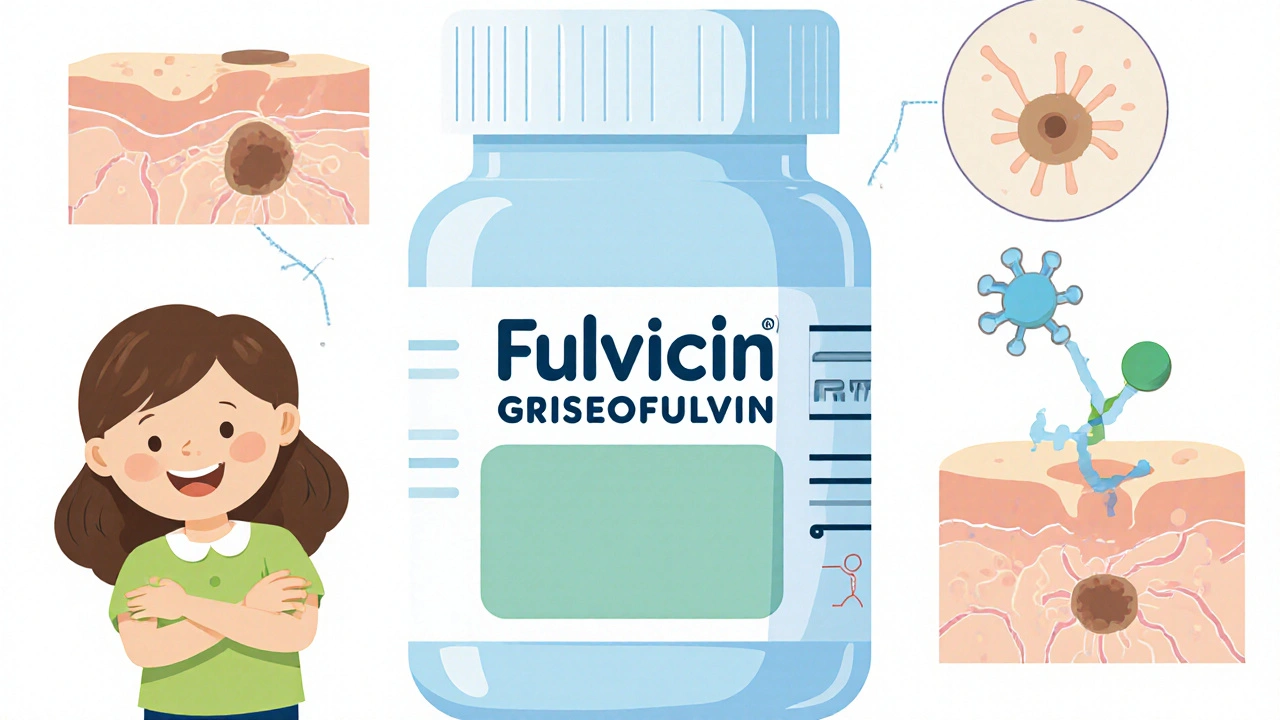
A practical guide comparing Fulvicin (griseofulvin) with newer antifungal drugs, covering efficacy, side‑effects, cost, and when to choose each option.
Read More