
When working with Griseofulvin, an oral antifungal that targets keratin-loving fungi. Also known as Gris‑Phen, it’s most often prescribed for dermatophyte infections, skin, hair and nail infections caused by fungi such as Trichophyton, Microsporum and Epidermophyton. The drug works by inhibiting fungal cell division, a mechanism that places it squarely within the antifungal medication class, a group of agents that disrupt fungal growth and help the body replace infected tissue with healthy skin. Because Griseofulvin is absorbed into keratin, accurate dosage guidelines, weight‑based dosing and treatment length become critical to avoid side effects and achieve cure rates above 80% for common conditions like tinea corporis, tinea capitis and onychomycosis.
For anyone looking to understand Griseofulvin better, the next step is to master how dosing, safety monitoring and drug interactions shape treatment outcomes. Typical adult dosing ranges from 500 mg to 1 g daily, split into two doses, and may extend for 6‑12 weeks depending on infection depth. Children often need 20 mg/kg per day, but pediatric dosing must consider growth plates and liver function. Drug interactions, especially with cytochrome P450 inducers or inhibitors, can raise or lower Griseofulvin levels. For example, concurrent use of carbamazepine or phenytoin may cut drug exposure by half, while erythromycin can boost levels and increase the risk of nausea, headache, or photosensitivity. Patients with liver disease, pregnant women, and those on long‑term corticosteroids need extra labs to watch bilirubin and alkaline phosphatase, because the medication is metabolized hepatically and can trigger mild hepatitis in rare cases. Resistance remains low, yet emerging strains of Trichophyton mentagrophytes have shown reduced susceptibility, prompting clinicians to consider newer agents like terbinafine when treatment fails after 8 weeks.
The collection of articles below dives into each of these areas in depth. You’ll find practical guidance on how to adjust Griseofulvin doses for kids, what side effects to monitor, ways to avoid common drug‑interaction pitfalls, and real‑world case studies that illustrate successful treatment plans. Whether you’re a patient seeking reassurance or a health professional needing a quick reference, the posts that follow give actionable insights and up‑to‑date information on managing fungal infections with Griseofulvin.
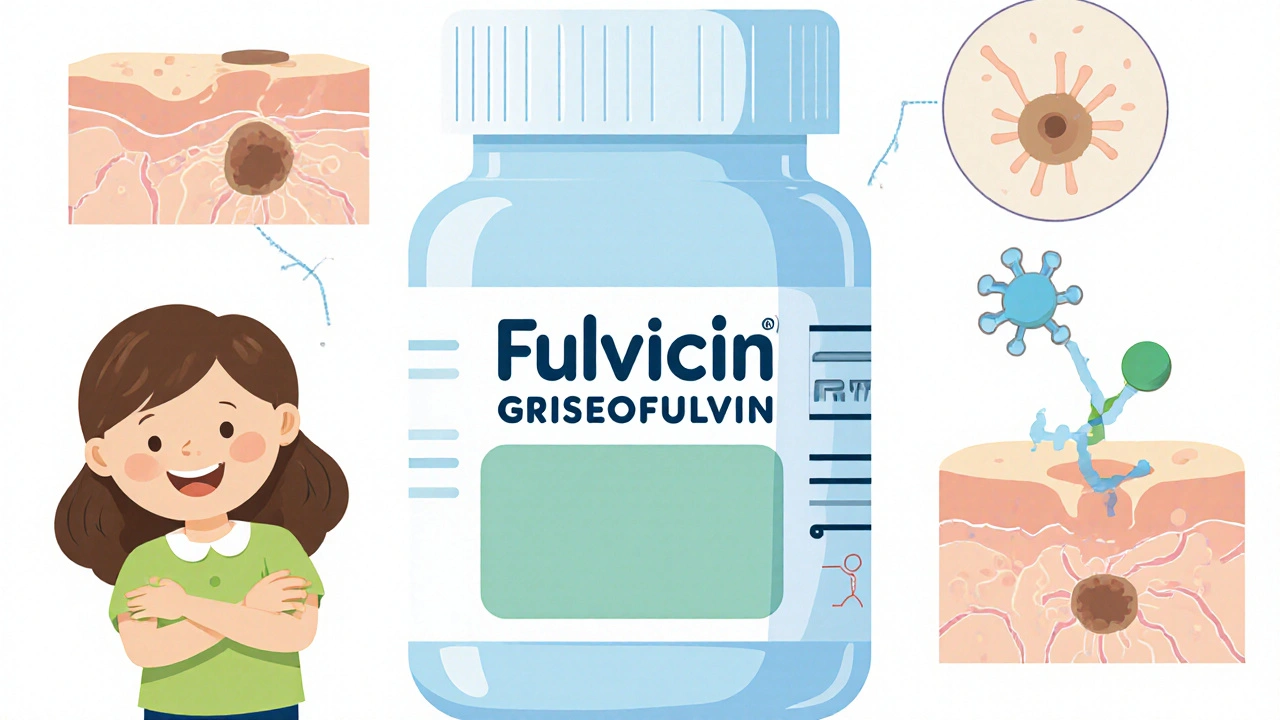
A practical guide comparing Fulvicin (griseofulvin) with newer antifungal drugs, covering efficacy, side‑effects, cost, and when to choose each option.
Read More