
When you hear drug patent life, the period during which a pharmaceutical company has exclusive rights to sell a new medication. Also known as market exclusivity, it’s the clock that starts ticking the moment a drug gets approved—and it’s the reason some pills cost hundreds of dollars before suddenly dropping to pennies. Most drug patents last 20 years from the date they’re filed, but that’s not the whole story. By the time a drug clears clinical trials, gets FDA approval, and hits shelves, half that time is already gone. That’s why companies use tricks like pediatric exclusivity, a six-month extension granted when a drug maker studies the medicine in children or file for new formulations to stretch their monopoly. It’s not about innovation anymore—it’s about timing, legal loopholes, and profit.
When a drug patent life ends, it doesn’t mean the drug disappears—it means generic versions can legally enter the market. This is where the real savings happen. Generic drugs aren’t copies—they’re exact chemical matches, required by the FDA to work the same way. But here’s the catch: not all generics are created equal. Some people react differently because of inactive ingredients, especially with drugs like levothyroxine, a thyroid hormone where tiny changes in absorption can cause big health shifts. That’s why the FDA Orange Book, the official list of approved drug products with therapeutic equivalence evaluations exists—to help you and your doctor pick the right generic. And while patents expire, other protections like exclusivity periods for rare disease drugs or new formulations can delay generics even longer.
It’s not just about cost. When a drug goes generic, pharmacies start making more profit on it—even if the price drops. That’s because generics make up 90% of prescriptions but only 25% of total drug spending. The math favors them. But when patent life is extended unfairly, patients pay more for longer. And when companies exploit loopholes to block generics, it’s not innovation—it’s delay. The system is designed to reward discovery, but too often it rewards legal maneuvering instead. That’s why understanding drug patent life matters. It affects your prescriptions, your insurance, and whether you get the medicine you need at a price you can afford.
Below, you’ll find real-world examples of how patent rules, exclusivity periods, and generic competition play out in everyday medicine—from thyroid drugs to cholesterol pills to sleep aids. No theory. No fluff. Just what happens when patents expire, how companies fight to keep them, and what you can do about it.
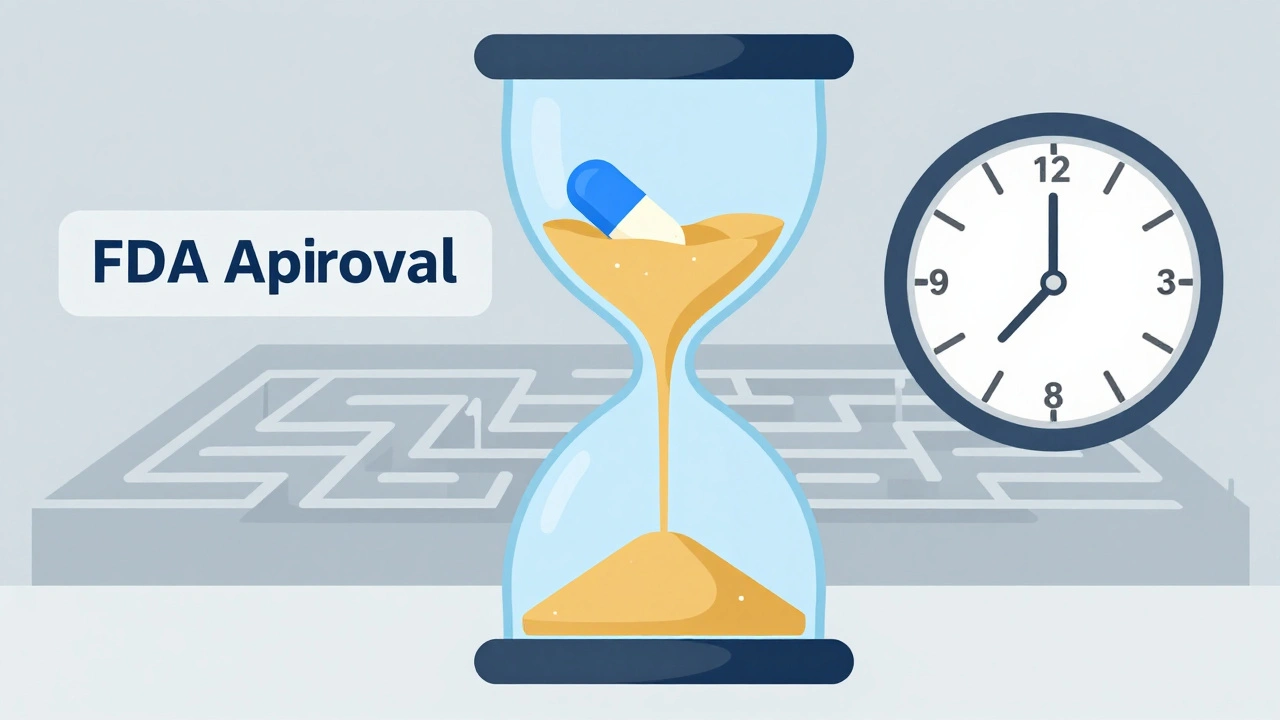
Patent Term Restoration gives drug makers extra patent time to make up for FDA approval delays. Learn how it works, who benefits, and why it keeps drug prices high.
Read More