
When working with compare antifungal drugs, you’re looking at side‑by‑side reviews of medicines that fight fungal infections. Also known as antifungal drug comparison, this process helps doctors and patients pick the safest, most effective option.
One common player is Itraconazole, a broad‑spectrum azole used for many systemic infections. It works by blocking the enzyme that builds fungal cell walls, and it typically requires regular liver‑function monitoring. Another staple is Fluconazole, a triazole praised for its oral dosing convenience. Fluconazole influences dosing frequency and is often chosen for Candida infections because of its good safety record. For severe cases, Amphotericin B, a polyene that binds to fungal membrane sterols offers rapid kill but demands IV administration and careful kidney monitoring.
compare antifungal drugs encompasses efficacy, safety, and cost. Efficacy is measured by cure rates and speed of symptom relief. Safety looks at side‑effects like liver toxicity for azoles or kidney strain for polyenes. Cost compares brand pricing, generic availability, and insurance coverage. These three pillars form the core of any drug comparison and guide the next steps in treatment selection.
First, check the infection type. Dermatophyte infections of the skin and nails often respond well to oral terbinafine, while invasive lung or bloodstream infections need a stronger agent like voriconazole or amphotericin B. Second, consider patient health. Immunocompromised patients, such as those on chemotherapy, may need broader coverage, which is why itraconazole’s spectrum is valuable. Third, pay attention to drug interactions. Azoles inhibit CYP enzymes, so they can raise levels of statins or warfarin, a fact that makes safety assessment critical.
Guidelines from infectious‑disease societies require clinicians to match the drug’s spectrum with the identified fungus. For example, Candida albicans is usually treated with fluconazole, but if resistance is suspected, an echinocandin or a higher‑dose azole may be recommended. This alignment illustrates the semantic triple: "Infectious‑disease guidelines influence antifungal drug comparison."
Cost‑effectiveness also matters. Generic fluconazole often costs a fraction of brand‑name voriconazole, yet voriconazole may be the only drug with activity against certain molds. Insurance formularies sometimes force a switch, which creates the triple: "Insurance coverage determines drug selection." When price is a barrier, clinicians look for therapeutic equivalence, comparing minimum‑effective dosages to keep out‑of‑pocket expenses low.
Finally, monitor treatment response. Labs, imaging, and symptom logs help decide whether to stay on the chosen drug or switch. This ongoing evaluation completes the loop: "Treatment monitoring guides future antifungal drug comparison." By keeping an eye on lab values and patient feedback, you ensure the chosen therapy stays effective and safe.
The collection of articles below dives deeper into each of these aspects. You’ll find detailed side‑by‑side tables, dosing tips, safety alerts, and real‑world case studies that bring the theory into practice. Ready to see how the top antifungal options stack up? Let’s explore the full range of comparisons and help you make an informed choice.
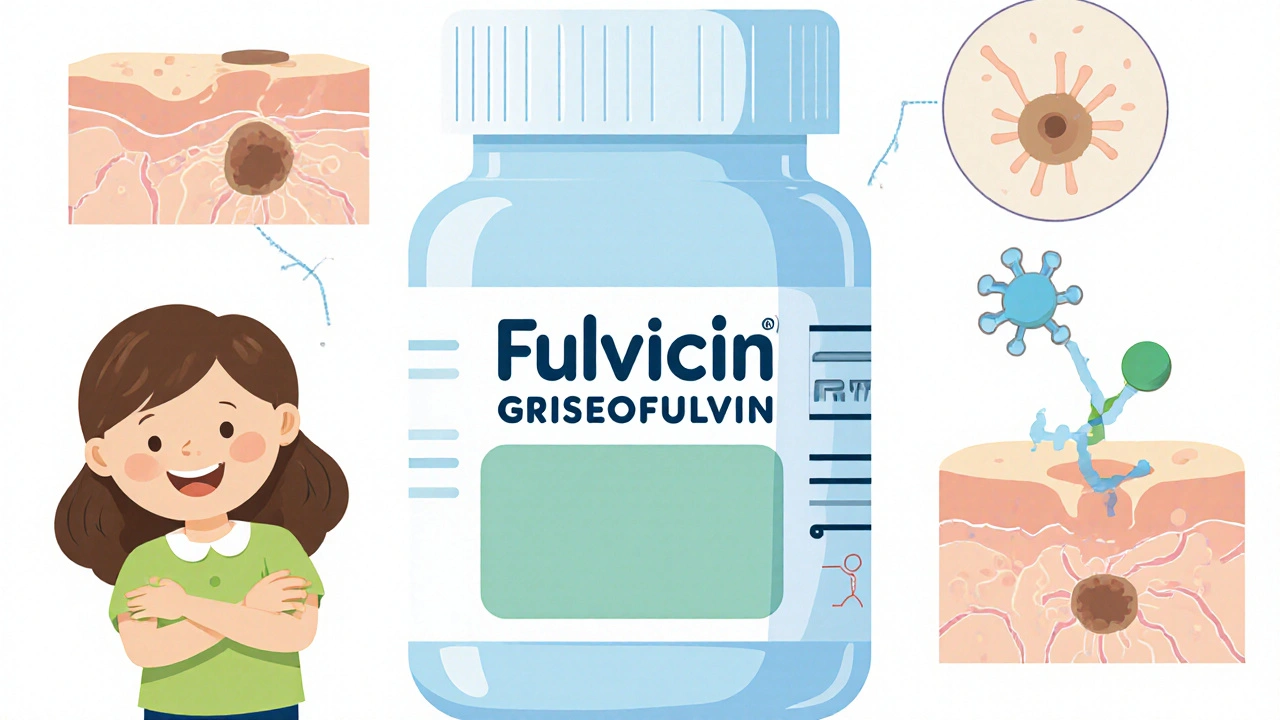
A practical guide comparing Fulvicin (griseofulvin) with newer antifungal drugs, covering efficacy, side‑effects, cost, and when to choose each option.
Read More