
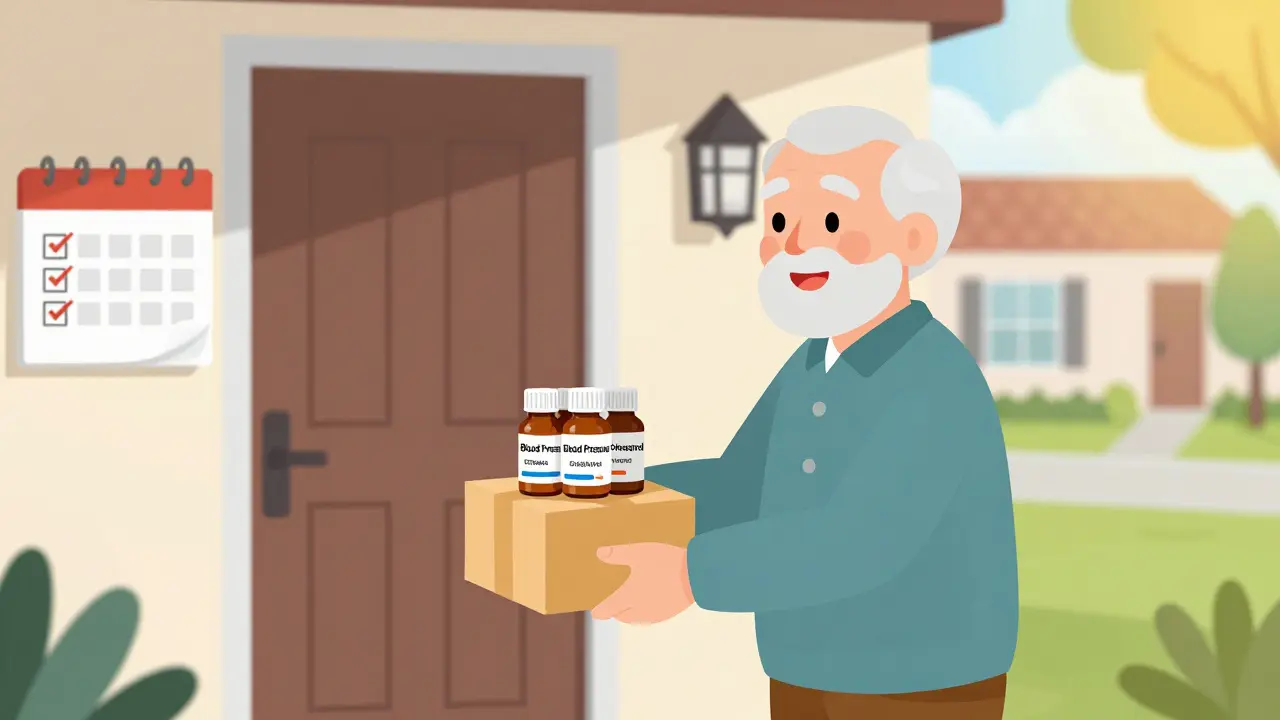
When you’re taking the same medication every day for high blood pressure, diabetes, or cholesterol, going to the pharmacy every 30 days can feel like a chore. That’s where mail-order pharmacies come in. Instead of picking up your pills in person, you get a 90-day supply shipped straight to your door-often for the price of two months. It sounds simple. But is it really saving you money? And are there hidden downsides you might not see until it’s too late?
How Mail-Order Pharmacies Actually Save Money
Mail-order pharmacies don’t just deliver your pills. They’re built to cut costs. Most health plans let you get a 90-day supply of maintenance meds through mail-order for the same price as a 60-day supply at your local pharmacy. So if your 30-day prescription costs $15 out-of-pocket, a 90-day mail-order supply might cost just $30-not $45. That’s $15 saved every three months, or $60 a year, per medication. Multiply that by three or four meds, and you’re talking $200-$300 saved annually, no extra effort needed. This isn’t magic. It’s economics. Mail-order pharmacies fill thousands of prescriptions at once using automated systems. They buy drugs in bulk, cut out the middleman, and pass savings to you. Companies like Express Scripts, CVS Caremark, and OptumRx handle over 1.5 billion prescriptions a year. Their error rates? Just 0.016%. That’s 60% lower than retail pharmacies, according to the Academy of Managed Care Pharmacy. Fewer mistakes mean fewer costly errors for you and your insurer.Who Benefits the Most
Not everyone saves the same way. If you’re on multiple long-term meds-say, metformin, lisinopril, and atorvastatin-mail-order is a no-brainer. It’s also ideal if you live far from a pharmacy, have trouble getting around, or just hate waiting in line. Rural patients see the biggest gains. In places with few pharmacies, mail-order isn’t a luxury-it’s the only reliable option. People with complex regimens benefit too. Mail-order systems track all your prescriptions, even if you use different doctors. They flag dangerous drug interactions before your meds are packed. Plus, you get 24/7 access to pharmacists by phone. No need to wait for a pharmacy to open. If you’re confused about your pills or side effects, you can call anytime.The Real Drawbacks You Can’t Ignore
Here’s the catch: mail-order doesn’t work for everything. If you need an antibiotic right now because you’re sick, you’re out of luck. Mail-order takes 5-7 business days to deliver. That’s fine for cholesterol pills. Not fine for an infection that’s getting worse. Then there’s the risk of lost or damaged packages. About 0.5% of shipments don’t make it. One Reddit user reported their blood pressure meds got lost in transit. They had to pay full price at Walgreens to refill. That’s $70 out of pocket for a medication they thought was covered. Delivery delays happen too-especially in winter storms or during holidays. If you’re running low and your refill isn’t scheduled right, you could go without meds for days. Some plans require you to switch to mail-order after your first 30-day fill. That’s fine if you’re prepared. But if you don’t know your plan’s rules, you might get hit with a surprise copay. One user told Kaiser Family Foundation they spent weeks trying to transfer prescriptions from their local pharmacy to mail-order. The process was confusing. They almost gave up.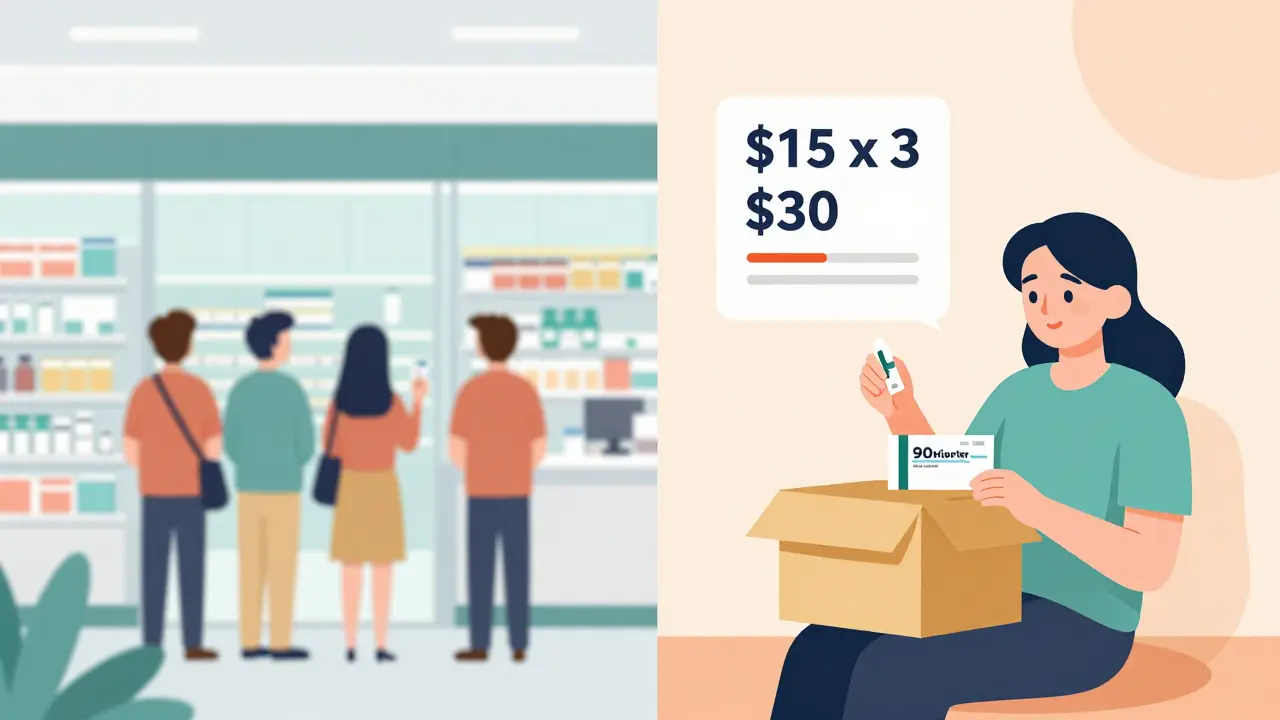
How to Make It Work for You
Start by checking your insurance plan. Most major insurers-Blue Cross, UnitedHealthcare, Cigna-include mail-order as a standard benefit. Log into your member portal or call customer service. Ask: "Do I have a mail-order pharmacy option? What’s my copay for a 90-day supply?" Next, pick the right meds. Stick to maintenance drugs: blood pressure, diabetes, thyroid, antidepressants, birth control. Avoid antibiotics, painkillers, or anything you might need on short notice. Set up automatic refills. Most mail-order systems let you schedule recurring shipments. That way, you never run out. You’ll get a reminder when your meds are on the way. Some even let you track your package in real time-Express Scripts added GPS tracking in early 2024. If you’re switching from a local pharmacy, give yourself time. Transfer your prescriptions early. Don’t wait until your last pill is gone. Call your current pharmacy and ask them to send your records to your mail-order provider. Most PBMs have dedicated support lines. Use them.Is It Worth It? The Bottom Line
For people on long-term meds, mail-order pharmacy services are one of the easiest ways to cut drug costs without changing your lifestyle. The savings add up. The safety record is strong. And the convenience is real. But it’s not perfect. If you’re unpredictable in your health, live in a remote area with unreliable mail, or need meds fast, it might not be the right fit. You’ll need to plan ahead. You’ll need to trust the system. And you’ll need to know your plan’s rules. The industry is growing fast. By 2030, experts predict up to 35% of maintenance prescriptions will be filled through mail-order. That’s up from just 12% today. If you’re on three or more chronic meds, it’s worth trying. Just don’t wait until you’re out of pills to start.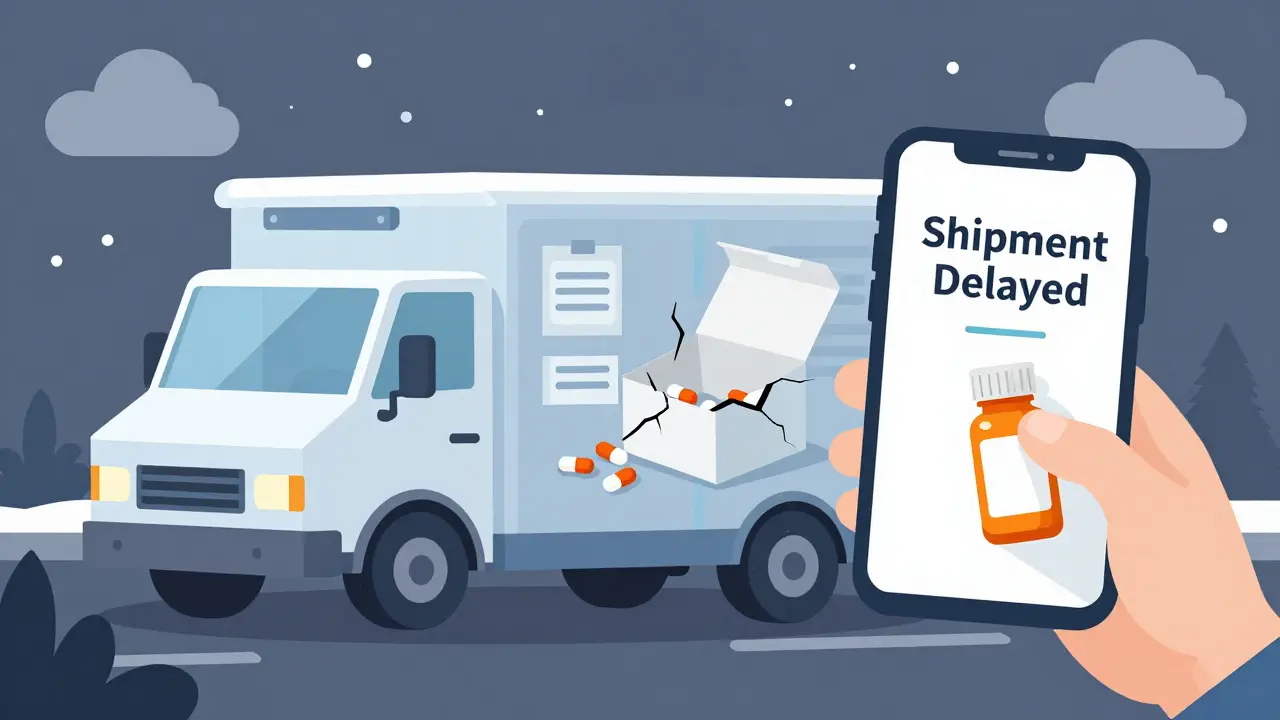
What’s Next for Mail-Order Pharmacies
The big players aren’t standing still. CVS Caremark announced in March 2025 that they’ll offer same-week delivery to 85% of U.S. addresses. UnitedHealth’s OptumRx is expanding cold-chain shipping for biologic drugs like insulin pens and rheumatoid arthritis injections. That means more complex meds will be eligible for home delivery soon. But there’s a cloud on the horizon. The 2023 Lower Drug Costs Now Act proposed capping how much insurers can charge for mail-order vs. retail. If passed, it could erase up to 40% of your current savings. For now, the system still works. But it’s not guaranteed forever.Real Stories, Real Results
A 68-year-old retiree in Ohio told her insurer she saved $142 a year on her three meds after switching to mail-order. She no longer drives 20 miles to the pharmacy. Her hands shake from arthritis. Getting pills delivered? Life-changing. Another user in Texas had a different experience. His shipment of blood thinners arrived broken. He didn’t notice until he opened it two days later. He had to pay $80 for an emergency refill. He’s still using mail-order-but now he always keeps a 7-day backup at home. These aren’t edge cases. They’re common. The key is preparation.Can I use mail-order pharmacy for any medication?
No. Mail-order is designed for maintenance medications-drugs you take daily for chronic conditions like high blood pressure, diabetes, cholesterol, or thyroid issues. It’s not meant for acute needs like antibiotics, painkillers, or emergency meds. Those should be filled at a local pharmacy where you can get them immediately.
How long does it take to get meds from a mail-order pharmacy?
Most mail-order pharmacies deliver within 5 to 7 business days after your order is processed. First-time orders may take longer if your prescription needs to be transferred from a retail pharmacy. Once you’re set up, automatic refills usually ship 5-7 days before you run out.
Is mail-order cheaper than my local pharmacy?
Usually, yes-for 90-day supplies of maintenance meds. You typically pay the cost of two months for a three-month supply. For example, if your 30-day copay is $10, your 90-day mail-order copay is often $20, not $30. That’s a 33% savings per refill. Savings add up fast if you take multiple meds.
What if my mail-order meds are lost or damaged?
Contact the pharmacy’s customer service right away. Most major providers (Express Scripts, CVS Caremark, OptumRx) will replace lost or damaged shipments at no extra cost. But you may need to pay out of pocket for an emergency refill if you’re out of meds while waiting. Always keep a small backup supply on hand-enough for 5-7 days.
Do I need to switch all my prescriptions to mail-order?
No. You can use mail-order for some meds and retail for others. Many people use mail-order for their daily chronic meds and keep a local pharmacy for antibiotics, pain relief, or emergency refills. Just make sure your plan allows it-some require mail-order for certain drugs after the first fill.
Can I still talk to a pharmacist if I use mail-order?
Yes. All major mail-order pharmacies offer 24/7 pharmacist access by phone. You can call to ask about side effects, drug interactions, or how to take your meds correctly. Some even offer video consultations. You’re not losing access to professional advice-you’re just getting it over the phone instead of in person.
Is mail-order safe for controlled substances?
It depends. Most mail-order pharmacies can dispense controlled substances like opioids or stimulants, but only under strict rules. You may need to use a specialty pharmacy, and delivery might require a signature. Some states have additional restrictions. Always check with your plan and pharmacist before ordering.
How do I start using mail-order pharmacy?
Log into your health plan’s website or call customer service. Ask for your mail-order pharmacy’s name and how to transfer prescriptions. Most plans let you transfer online in minutes. You’ll need your prescription details and pharmacy contact info. Once set up, you can schedule automatic refills to avoid running out.


Post A Comment