
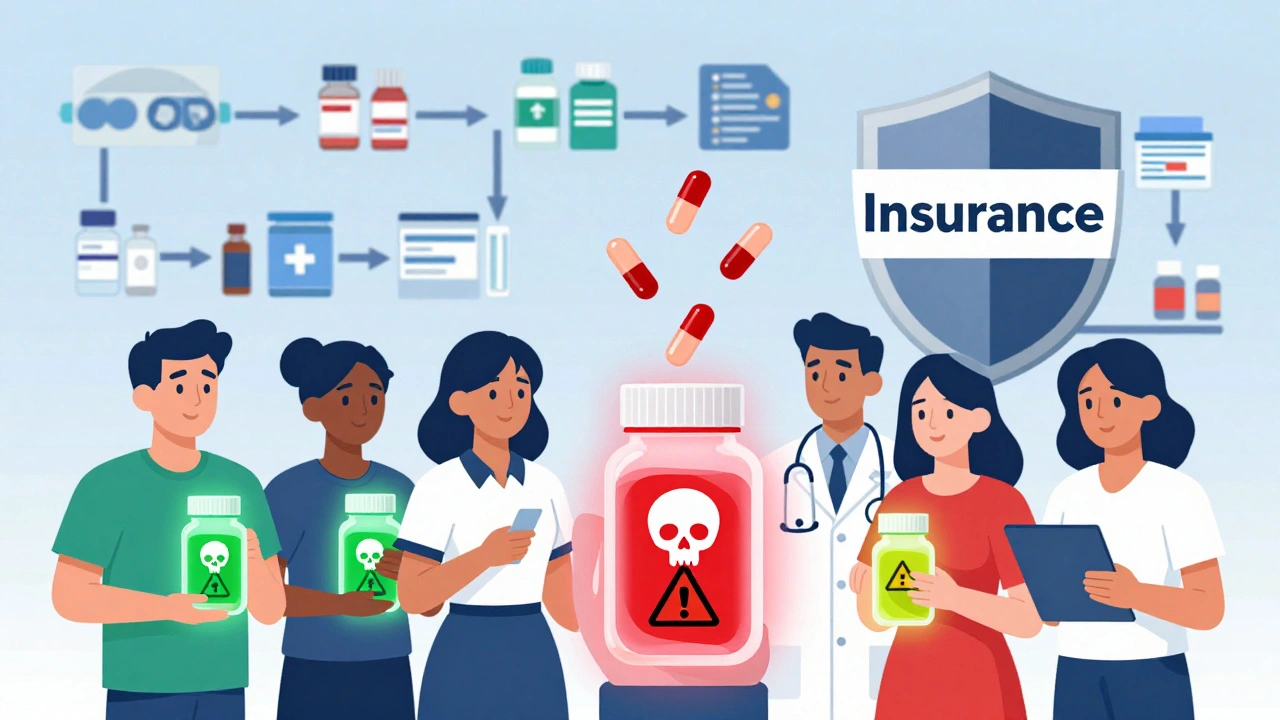
Imagine buying a pill that’s supposed to treat your cancer, but it doesn’t contain any active ingredient at all. Or worse - it’s filled with toxic chemicals that make you sicker. This isn’t a horror story. It’s happening right now, and it’s hitting patients, pharmacies, and manufacturers hard. Counterfeit drugs are a growing global threat, and the financial and legal fallout can be devastating. That’s where insurance comes in - not as a magic fix, but as a crucial safety net for businesses caught in the crossfire.
What Exactly Are Counterfeit Drugs?
Counterfeit drugs aren’t just cheap knockoffs. The World Health Organization defines them as medical products that are deliberately and fraudulently mislabeled about their identity, source, or composition. They might have no active ingredient. They might have too much. They might contain rat poison, paint thinner, or chalk. Some look identical to the real thing - same color, same logo, same packaging. Others are crude fakes, but still sold to people who can’t tell the difference. These aren’t just a problem in developing countries. While the highest volume of fake drugs shows up in low- and middle-income regions, no country is safe. The U.S. Food and Drug Administration (FDA) has intercepted counterfeit versions of popular cancer drugs like Avastin, Keytruda, and Gleevec. Online pharmacies, social media sellers, and even fake websites that mimic real hospitals or clinics are common delivery channels. Since 2004, Pfizer alone has helped stop over 302 million counterfeit doses from reaching patients. That’s not a small number - it’s a massive, ongoing battle.Why Insurance Matters in the Supply Chain
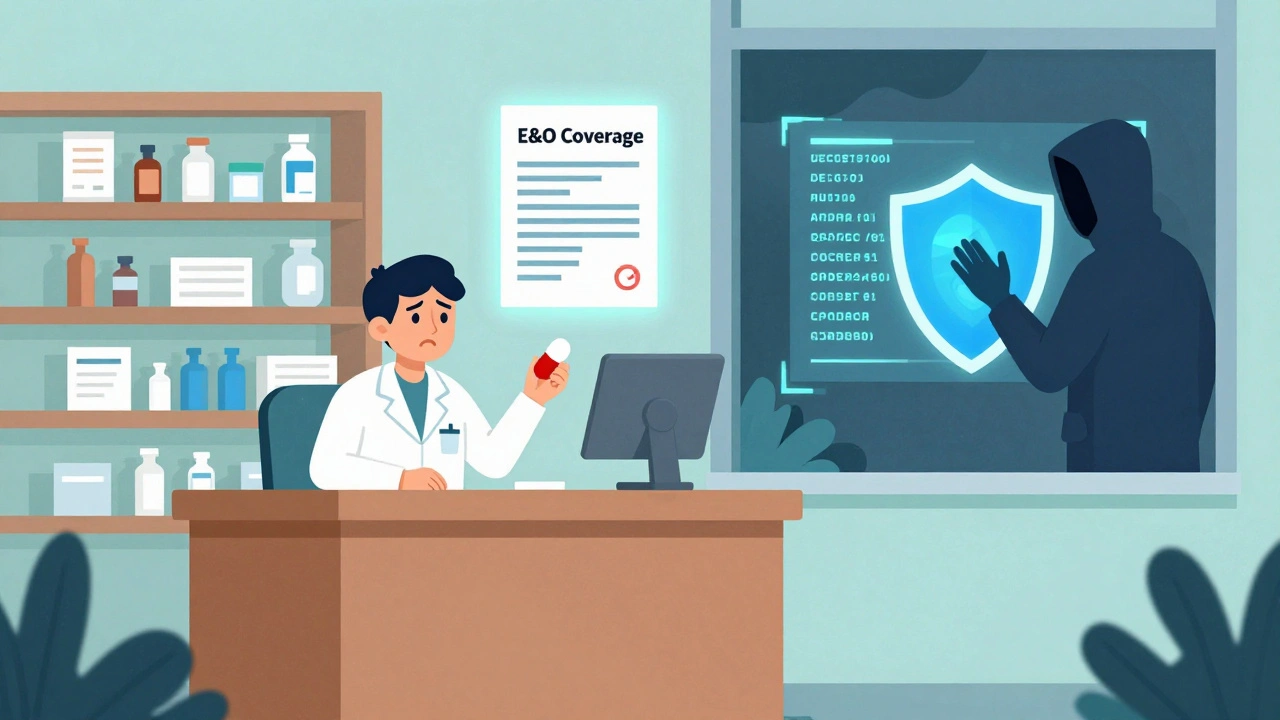
Most companies in the pharmaceutical supply chain - from manufacturers to distributors to pharmacies - don’t set out to sell fake drugs. They’re often victims too. A wholesaler might buy a batch from a supplier who seemed legitimate. A pharmacy might order from a broker who promised a discount. When those drugs turn out to be counterfeit, the fallout isn’t just reputational. It’s legal. It’s financial. It’s life-threatening. That’s where professional liability, product liability, and errors and omissions (E&O) insurance come in. These policies protect companies if they’re sued after distributing counterfeit drugs - as long as they had no intent to defraud and didn’t know the drugs were fake. This is a key detail. Insurance won’t cover someone who knowingly sold fakes. But it can save a small distributor who was tricked by a fraudulent supplier. According to Laura Sunderlin, a life sciences underwriter at Beazley, this coverage has become essential. The problem? The supply chain is long, complex, and full of blind spots. As one expert put it, “There’s no way you’re going to be able to monitor every single pill or capsule.” So when a fake drug slips through, and a patient gets hurt, the company that last touched that pill - even if they were innocent - can be named in a lawsuit. Insurance steps in to cover legal fees, settlements, and even recall costs.Regulations Are Tightening - But Not Enough
Governments are trying to catch up. In the U.S., the Drug Supply Chain and Security Act (DSCSA), signed in 2013, required a full electronic tracing system for prescription drugs by November 2023. That means every package, from manufacturer to pharmacy, should have a unique identifier that can be tracked. It sounds like a win - and it is. But it’s not foolproof. Counterfeiters are adapting. They’re forging digital codes. They’re hacking systems. They’re selling fake drugs through channels that bypass the regulated supply chain entirely - like social media or dark web marketplaces. Internationally, the Medicrime Convention, which came into force in 2016, made it a crime to manufacture, distribute, or falsify medical products. But enforcement varies wildly. In some countries, penalties are weak. In others, there’s no system to even detect the problem. The International Federation of Pharmaceutical Manufacturers & Associations (IFPMA) says dealing in fake drugs is still “easy, cheap, and lucrative, with a low risk of being caught.” That’s why insurance companies can’t rely on regulations alone. They’re forced to assess risk based on what companies are doing - not just what laws say.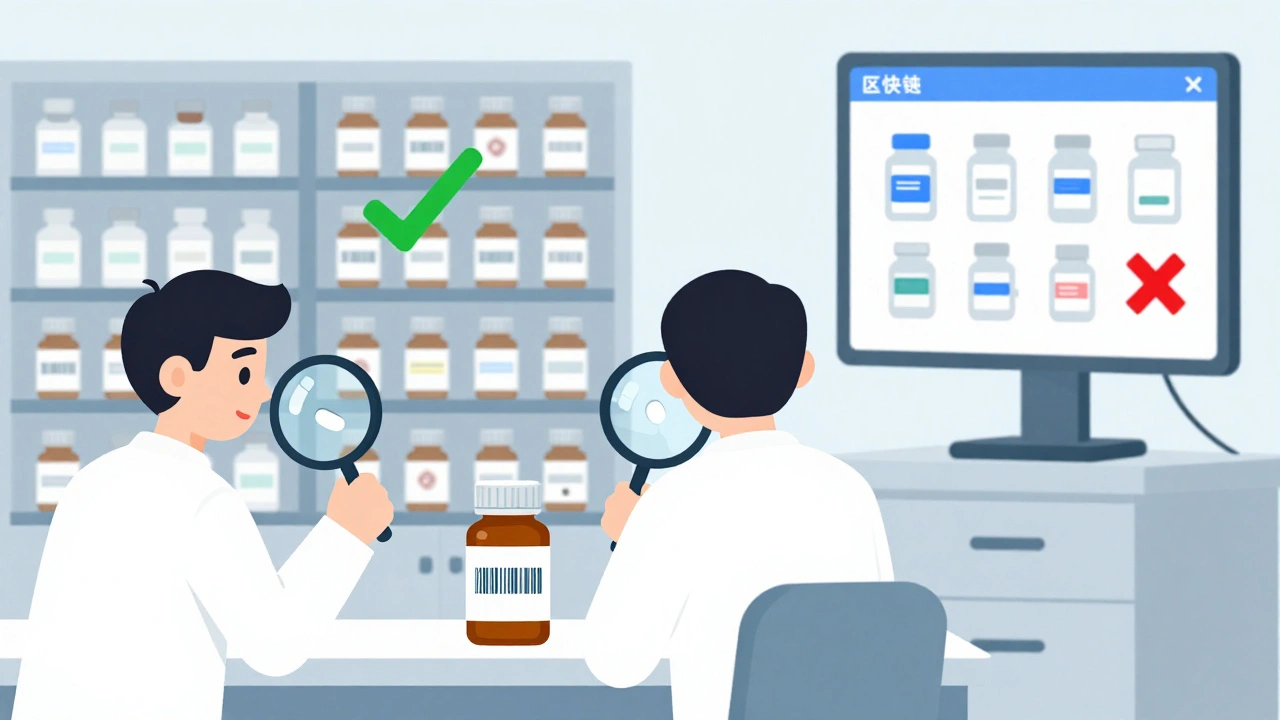
How Companies Are Fighting Back - And How It Affects Insurance
Some companies aren’t waiting for regulators. They’re building their own defenses - and insurers are taking notice. Bristol Myers Squibb runs a team that scans millions of webpages daily looking for illegal sales of their drugs. They’ve shut down 93% of the fake sites they’ve found. Sanofi has a dedicated anti-counterfeit lab that analyzes suspect products. Pfizer uses advanced lab equipment to test pills and trace their origin. These aren’t just PR moves - they’re risk-reduction strategies that directly impact insurance premiums. Insurers now ask: Do you have a verification system? Do you audit your suppliers? Do you train your staff to spot red flags? Companies that invest in these measures get better rates. Those that don’t? They pay more - or get denied coverage altogether. Even the FDA is pushing for new standards. One key recommendation? Imprinting unique identifiers directly onto pills. That makes counterfeiting harder - and verification easier. In the future, this could become a requirement for insurance eligibility.The Hidden Costs - Beyond Lawsuits
Most people think of insurance as covering lawsuits. But counterfeit drugs create other costs too:- Product recalls - pulling fake drugs off shelves costs millions.
- Lost sales - when patients lose trust in a brand, they don’t come back.
- Research damage - counterfeit drugs flood the market with cheap fakes, hurting innovation. The FDA estimates the global counterfeit drug market is worth $200 billion a year. That’s money stolen from real drug developers.
- Consumer harm - patients who take fake cancer drugs may die. Those who take fake antibiotics may develop resistant infections. These aren’t abstract risks - they’re real, documented cases.
What’s Not Covered - And Why Due Diligence Is Non-Negotiable
Let’s be clear: insurance isn’t a free pass. If a company ignores warning signs - buys from a supplier with no documentation, skips batch testing, ignores complaints - they’re on their own. Insurers investigate claims closely. If they find negligence, coverage is denied. Here’s what you need to do to stay protected:- Only buy from licensed, verified suppliers.
- Require certificates of analysis for every batch.
- Train staff to spot fake packaging - misspelled words, blurry logos, odd colors.
- Use tracking systems like those required under DSCSA.
- Report suspicious products to regulators immediately.
What’s Next? The Future of Insurance and Drug Safety
The fight against counterfeit drugs is far from over. But the tools are getting better. Blockchain technology is being tested to track drugs end-to-end. AI is being used to detect fake websites before they go live. Some insurers are even starting to offer coverage that includes cybersecurity protections - because hacking supply chain data is now a common tactic. One thing’s certain: companies that treat counterfeit drug risk as a core part of their business strategy - not an afterthought - will have an easier time getting affordable, comprehensive insurance. Those who ignore it? They’re playing Russian roulette with their business - and their customers’ lives. The bottom line? Insurance won’t stop counterfeit drugs. But it can keep your business alive when they slip through. And in a world where fake medicine is easier to make than ever, that’s not just smart - it’s essential.Does insurance cover me if I unknowingly sell counterfeit drugs?
Yes - but only if you can prove you had no intent to defraud and took reasonable steps to verify your suppliers. Most professional liability and product liability policies cover accidental distribution of counterfeit drugs, as long as you followed industry best practices like verifying suppliers, keeping documentation, and using tracking systems. If you ignored red flags or cut corners, your claim will likely be denied.
What types of insurance protect against counterfeit drug risks?
Three main types: professional liability insurance (covers mistakes in advice or service), product liability insurance (covers harm caused by your products), and errors and omissions (E&O) insurance (covers negligence in business operations). For pharmaceutical companies, these often overlap. Many insurers bundle them into specialized life sciences policies that specifically address supply chain risks like counterfeit drugs.
Are online pharmacies more at risk for counterfeit drugs?
Absolutely. Unregulated online pharmacies are the biggest source of counterfeit drugs. The FDA and the National Association of Boards of Pharmacy (NABP) warn that over 96% of online pharmacies operate illegally. Even if you’re not selling online, if you buy from an unverified online supplier, you’re at high risk. Insurers now check whether your suppliers are VIPPS-certified - a mark of legitimacy.
Can I get insurance if I import drugs from overseas?
You can - but it’s harder and more expensive. Importing drugs increases your exposure to counterfeit risks, especially if you’re sourcing from countries with weak regulation. Insurers will demand proof of supplier audits, batch testing, and customs documentation. Without these, coverage may be denied or come with high premiums. Many companies avoid international imports entirely unless they have a verified, audited supply chain.
How do I know if a supplier is legitimate?
Ask for: 1) A valid license from your country’s health authority, 2) Certificates of analysis for each batch, 3) Proof of direct manufacturer relationship (not just a distributor), and 4) A history of compliance with DSCSA or equivalent tracing rules. Cross-check their name on official regulator lists. If they’re not on the FDA’s approved supplier list or equivalent in your country, walk away.
What should I do if I find a counterfeit drug?
Stop distribution immediately. Quarantine the batch. Notify your insurer and your country’s health regulator (like the FDA in the U.S. or TGA in Australia). Document everything - where you got it, who sold it to you, what it looked like. If patients were exposed, report that too. Acting fast can limit liability and may help your insurance claim. Also, consider reporting the seller to law enforcement - it helps shut down networks.
Do counterfeit drugs only affect big companies?
No. Small pharmacies, clinics, and local distributors are often the hardest hit. They may not have the budget for advanced verification tools, making them easier targets. But they’re also more vulnerable to lawsuits and reputational damage. Insurance is even more critical for smaller players - because one fake batch can bankrupt them.
Is there a way to spot counterfeit drugs as a patient?
Yes. Check the packaging for spelling errors, blurry logos, or odd colors. Compare the pill’s appearance to images on the manufacturer’s official site. If you bought it online, verify the pharmacy’s license through official registries. If the price seems too good to be true, it probably is. Report suspicious drugs to your pharmacist or health authority - you could save someone’s life.


Post A Comment