
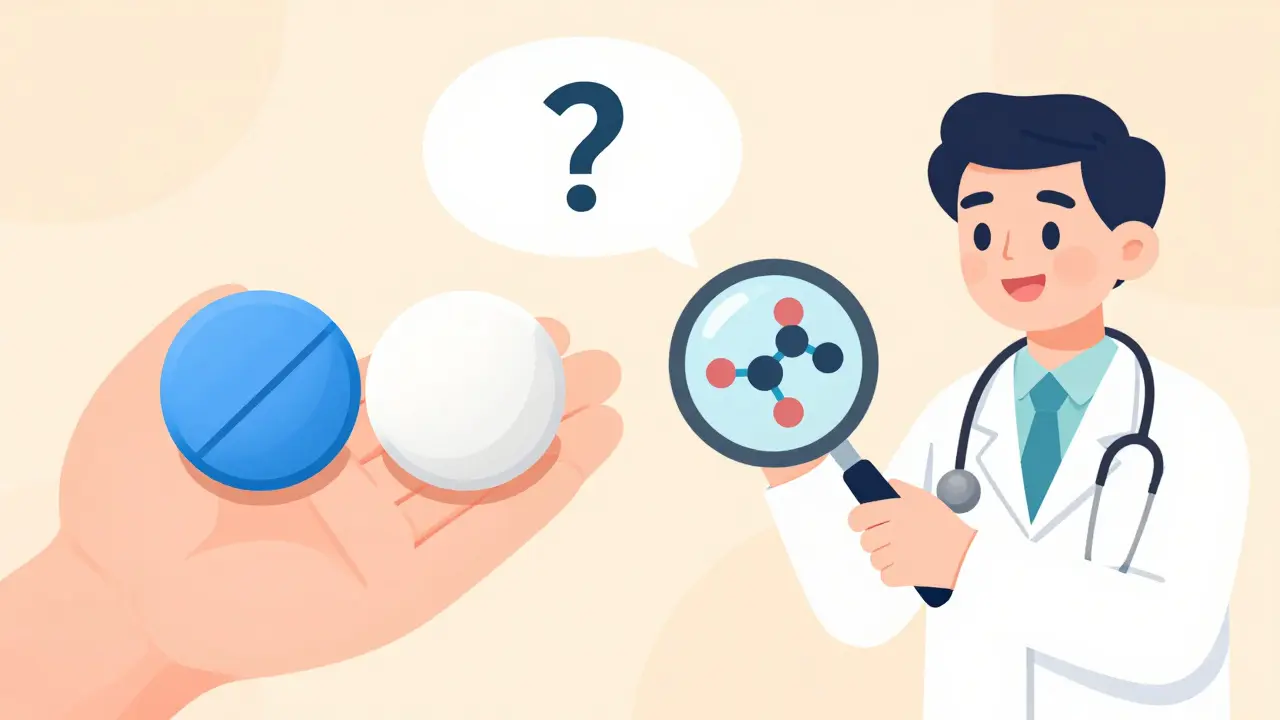
Learn how to clearly explain generic medications to patients, address common concerns, and improve adherence using proven communication strategies backed by clinical evidence and real-world data.
Read More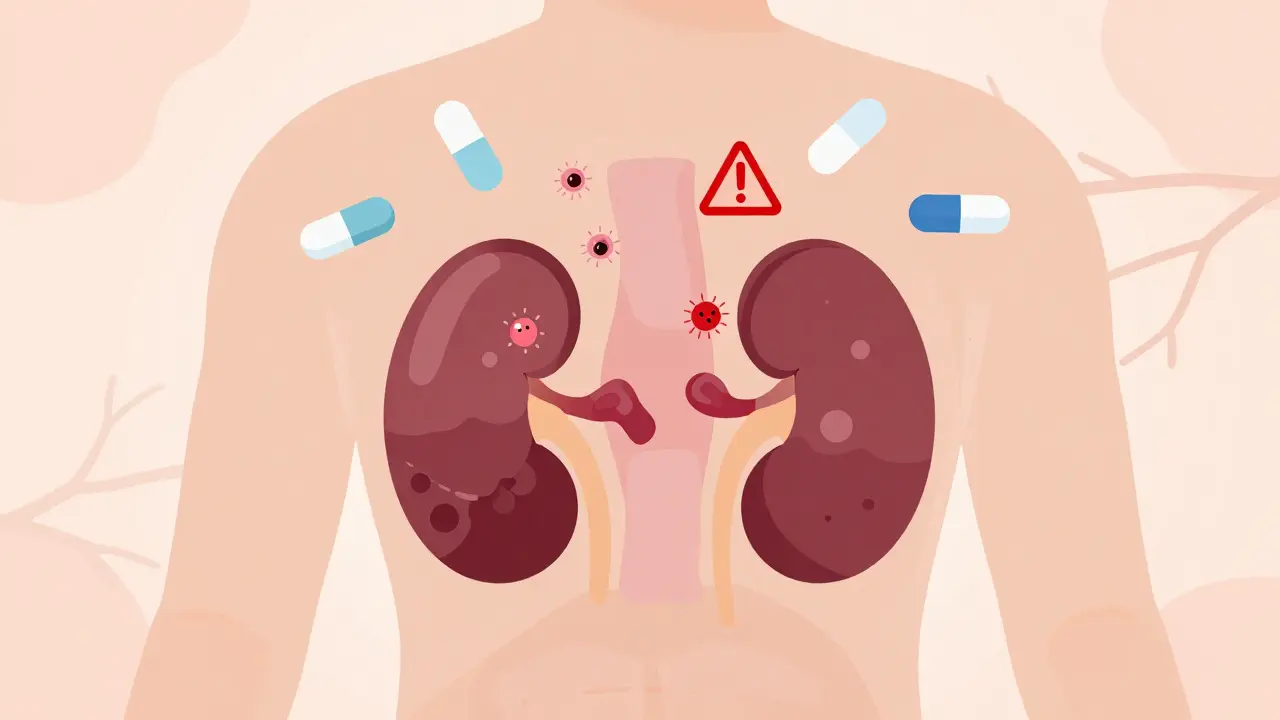
Acute interstitial nephritis from medications is a hidden cause of kidney injury, often missed until damage is done. Learn the signs, top triggers, and what to do if you suspect drug-related kidney inflammation.
Read More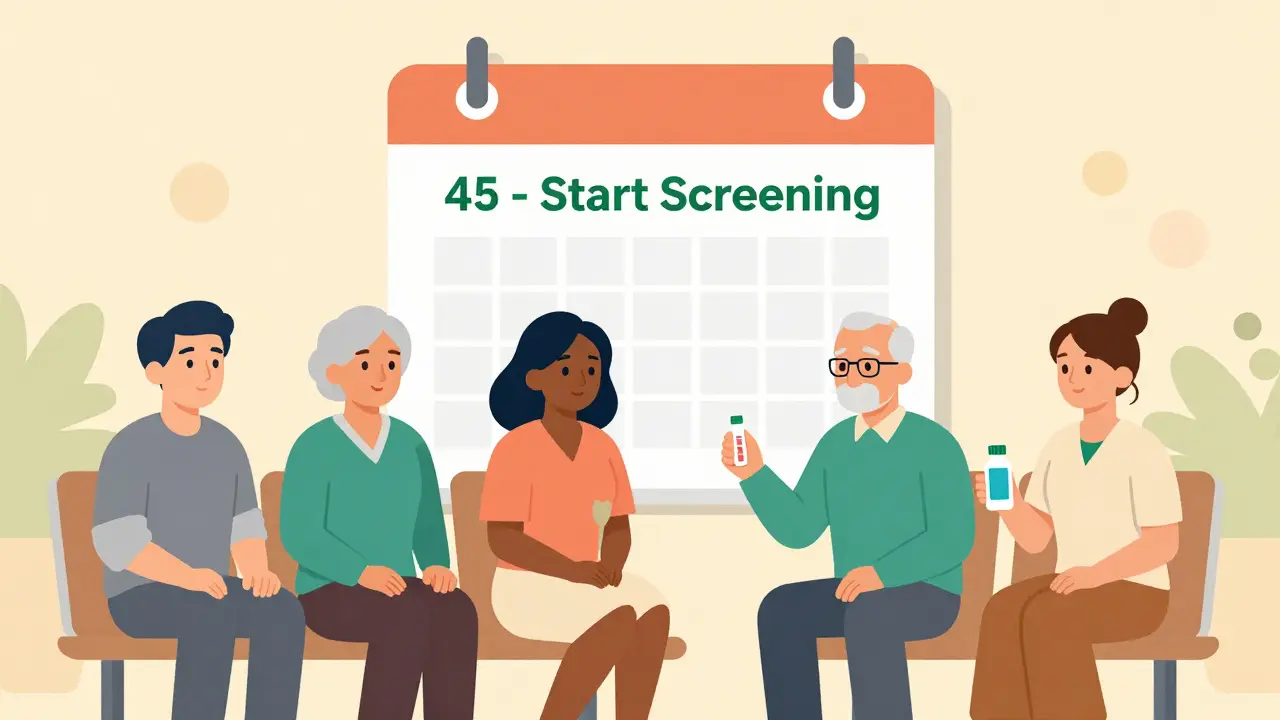
Colorectal cancer screening now starts at age 45. Colonoscopy remains the most effective method, but stool tests and other options exist. Chemotherapy regimens like CAPOX and FOLFOX are standard for stage III cancer. Early detection saves lives.
Read More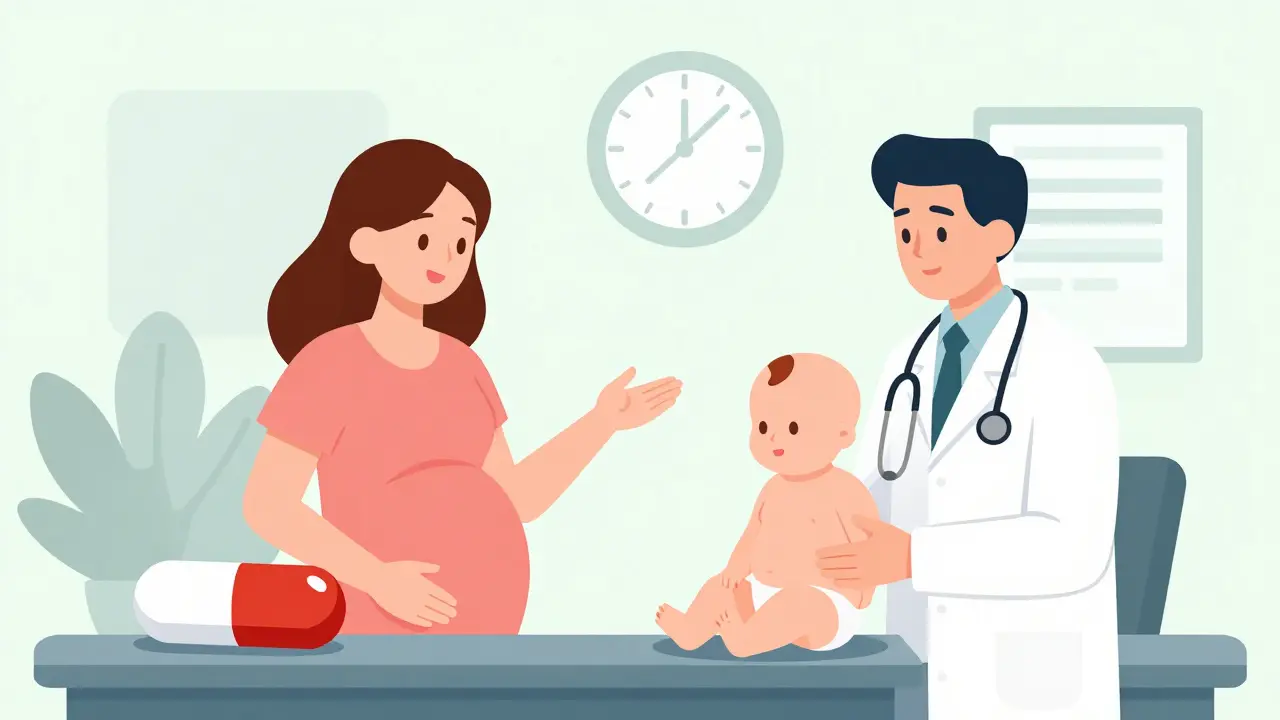
Statins were once strictly avoided during pregnancy due to safety concerns. Recent research shows they're safer than previously thought, but decisions depend on individual health risks. Learn how to plan for pregnancy while on statins and what the latest guidelines say.
Read More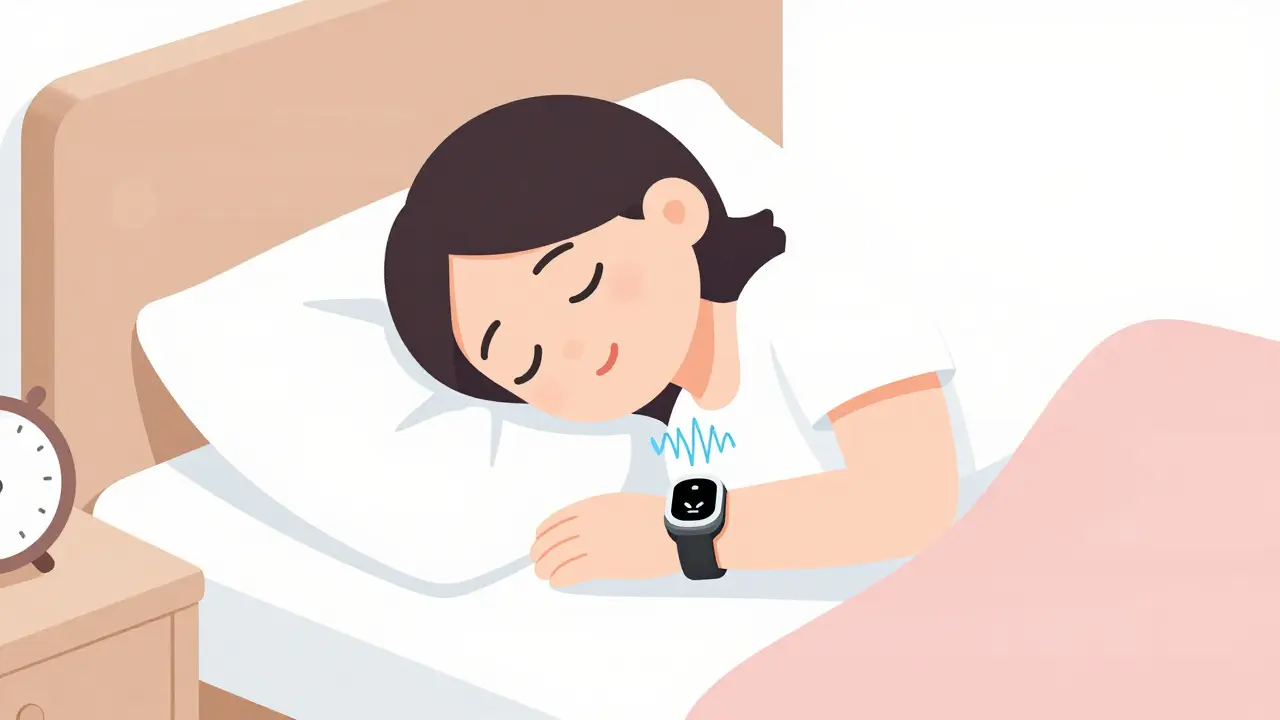
Actigraphy wearables track sleep at home using motion sensors. They offer objective data on sleep patterns, helping identify issues like insomnia or circadian rhythm disorders. While not diagnostic tools, they complement clinical evaluations. Modern devices like Oura Ring and Fitbit provide insights into sleep efficiency and wake times. Understanding their limitations is key to using them effectively.
Read More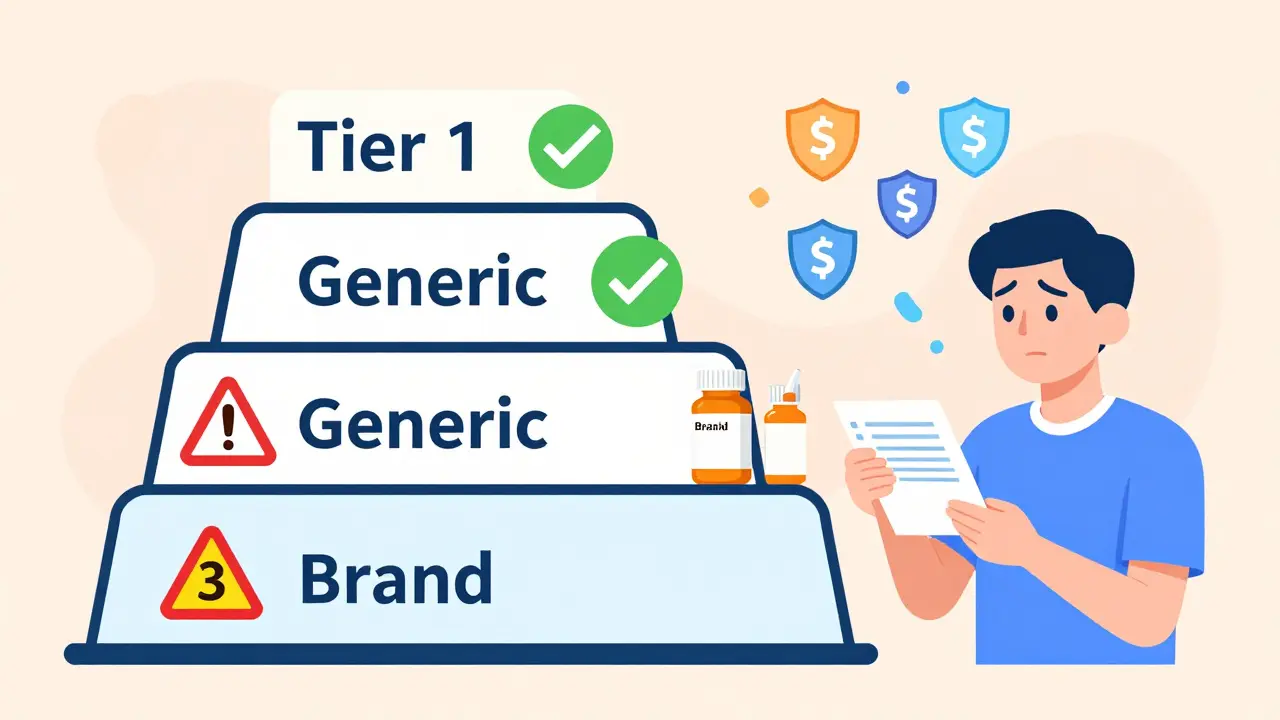
Insurance policies treat generic and brand-name drugs very differently, with generics costing up to 85% less. Learn how formularies, substitution rules, prior authorization, and state laws shape what you pay-and what you actually get.
Read More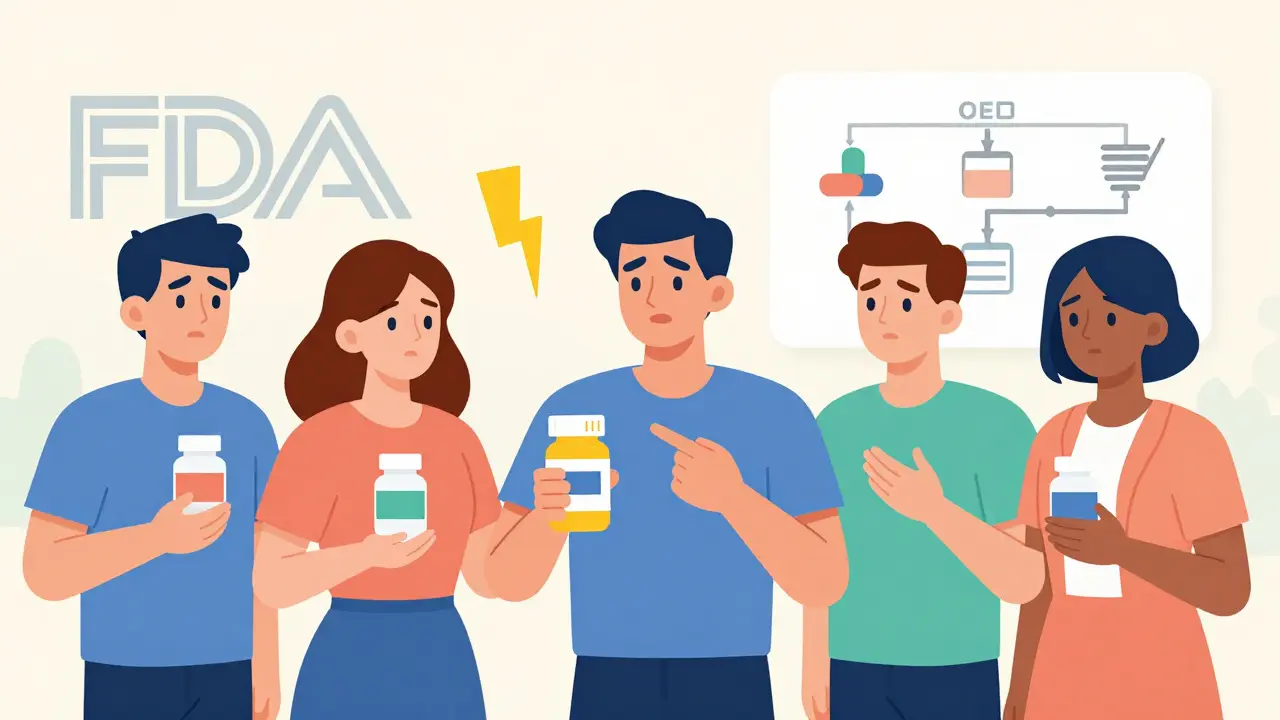
Learn when and how to report rare side effects from generic medications. Understand what counts as serious, unexpected, or rare - and why your report matters for public safety.
Read More
Shared decision-making scripts help patients and doctors weigh treatment risks and benefits together. Learn how clear communication about side effects improves adherence, reduces regret, and builds trust in chronic care.
Read More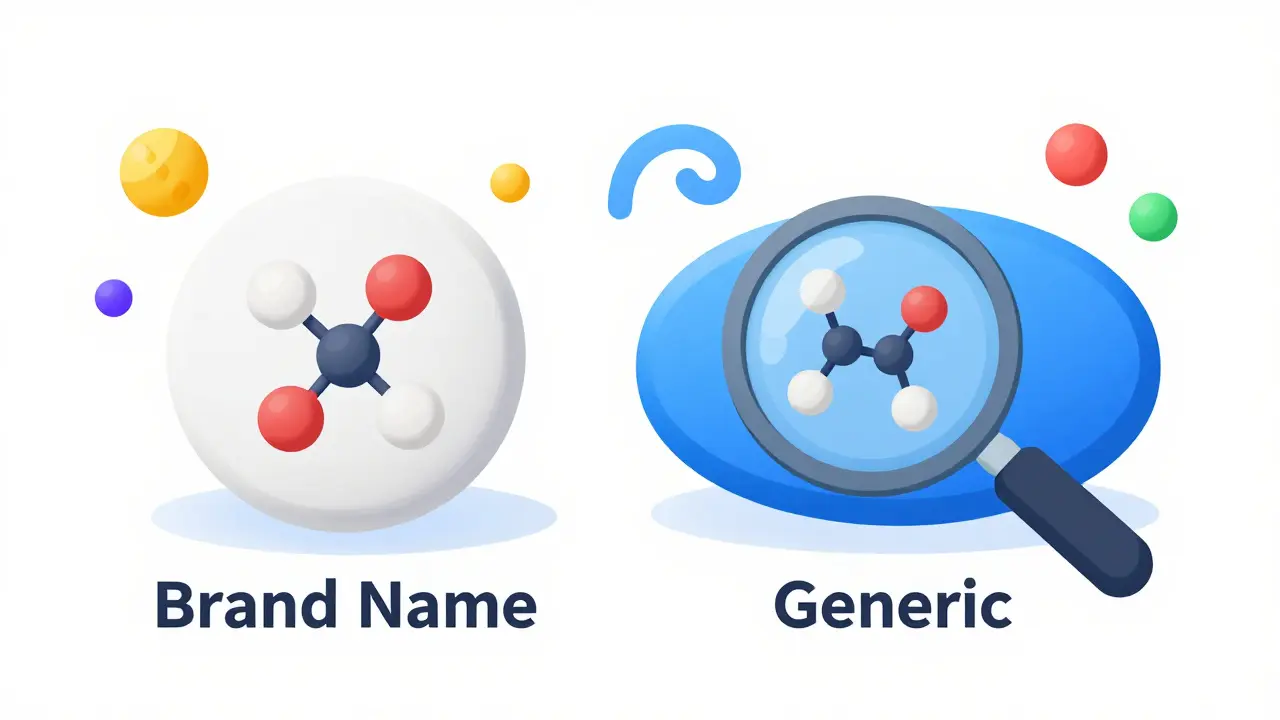
Generic medications are just as safe and effective as brand-name drugs, but many patients still have questions. This guide answers the most common concerns about generics-look, cost, side effects, and when to stick with brand-name.
Read More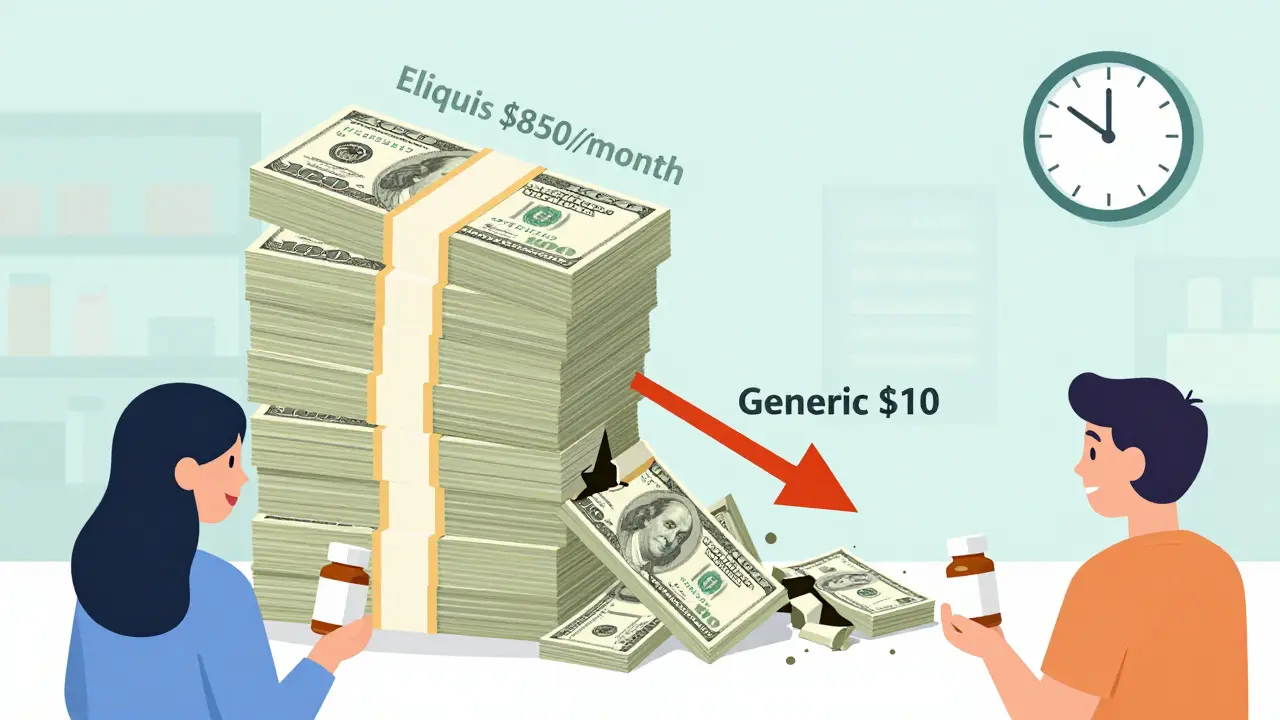
When pharmaceutical patents expire, drug prices drop dramatically-often by 80% or more. This article explains how generic competition drives down costs, why some drugs stay expensive despite patent expiry, and what patients can do to save money.
Read More