
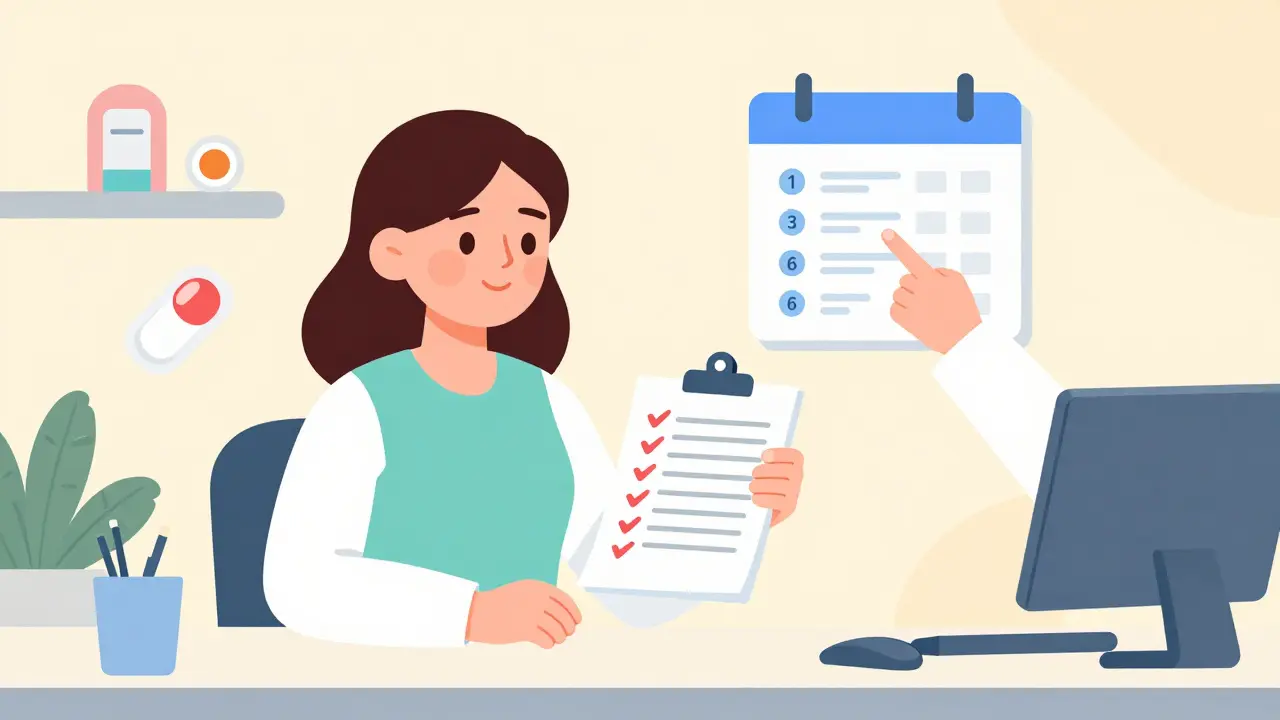
Creating a medication plan before conception helps prevent birth defects by adjusting risky drugs, optimizing folic acid intake, and managing chronic conditions. Experts recommend starting 3-6 months before trying to get pregnant.
Read More
Age-related hearing loss, or presbycusis, affects one in three people over 65. Learn how it develops, why it's dangerous if untreated, and how modern hearing aids - from prescription to OTC - can restore connection and protect your brain.
Read More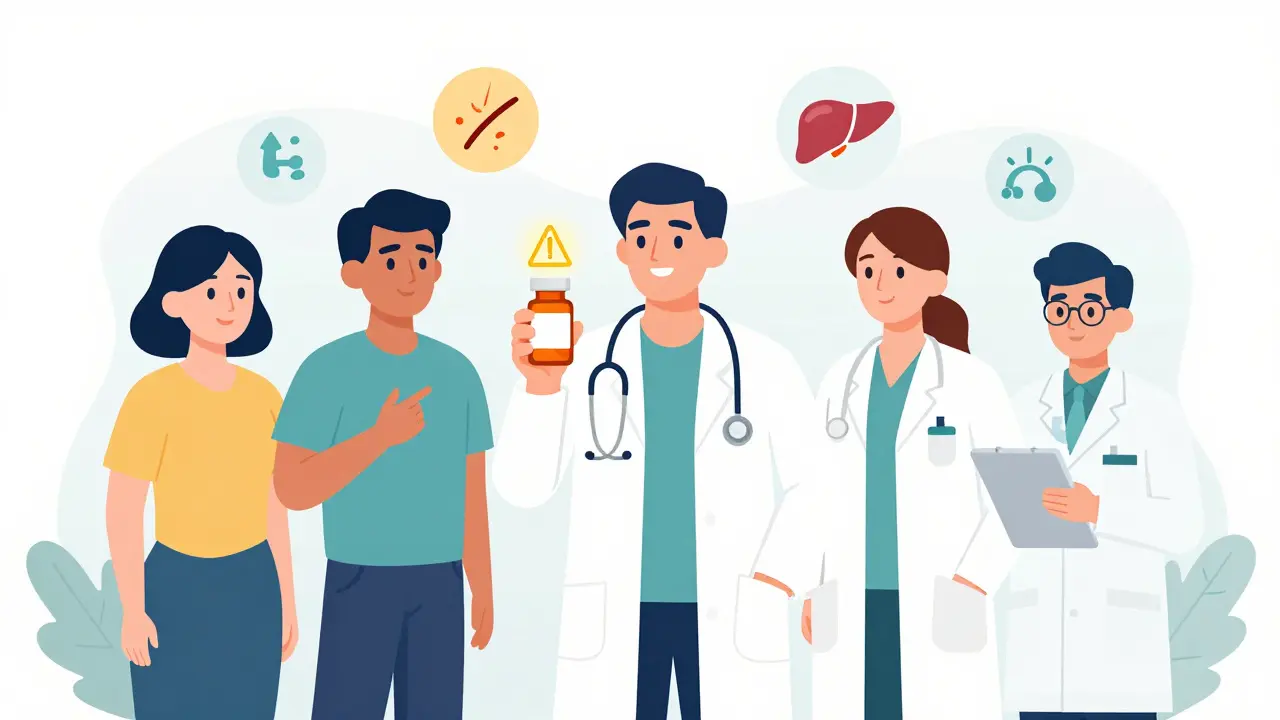
Learn how to report a suspected adverse drug reaction to the FDA using MedWatch, phone, or mail. Understand what counts as serious, who should report, and why your report matters for drug safety.
Read More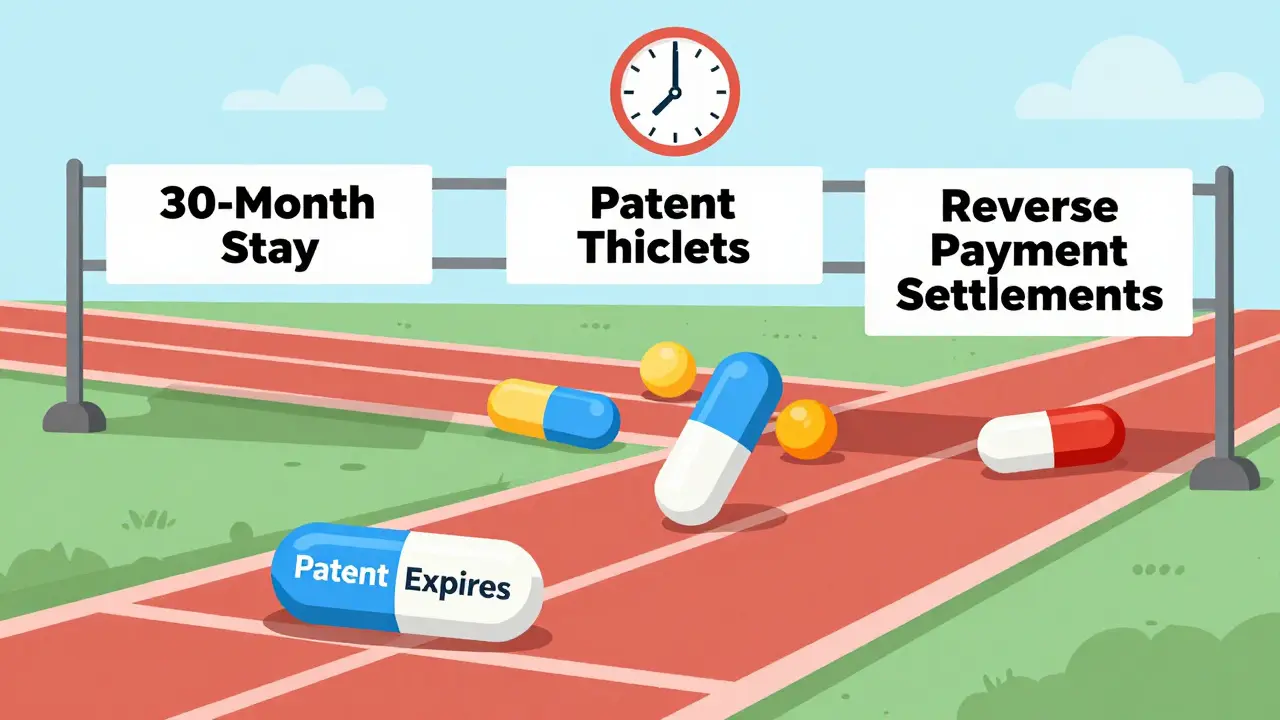
Generic drugs don't launch right after patents expire. Legal delays, patent thickets, and corporate tactics create years-long gaps between expiration and availability - costing patients billions. Here's how it really works.
Read More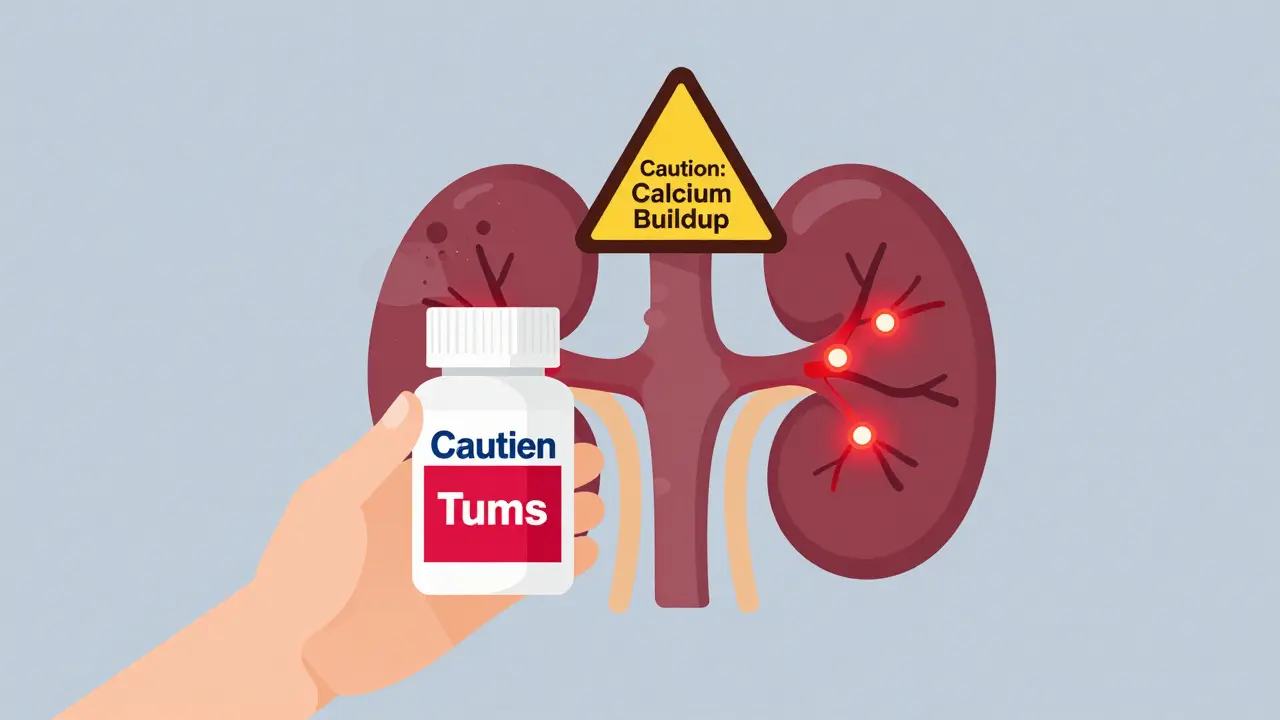
Antacids like Tums and Milk of Magnesia may seem harmless, but for kidney disease patients, they can cause deadly mineral imbalances. Learn how calcium, aluminum, and magnesium in these drugs interact with kidney function - and what safer alternatives exist.
Read More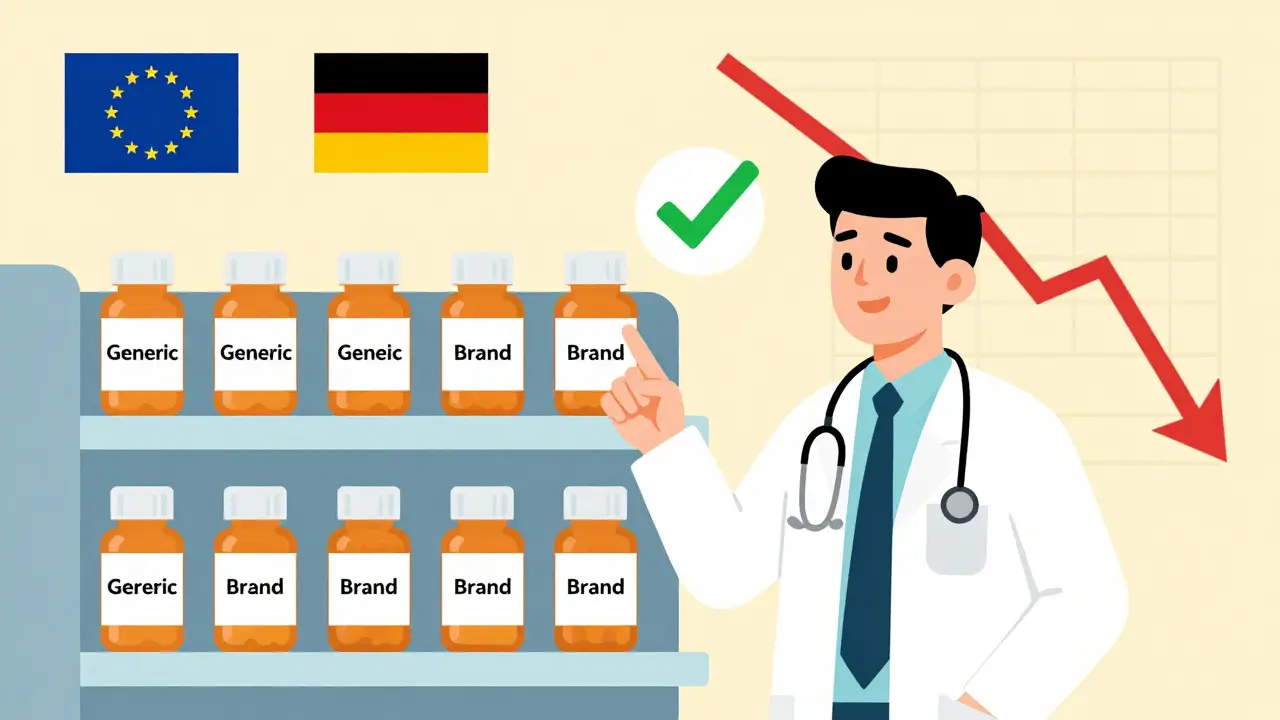
Generics are viewed differently around the world-from essential tools in Europe to lifelines in Asia and risky bets in the U.S. This article explores how providers in key countries see generic drugs and why their perspectives shape global access to medicine.
Read More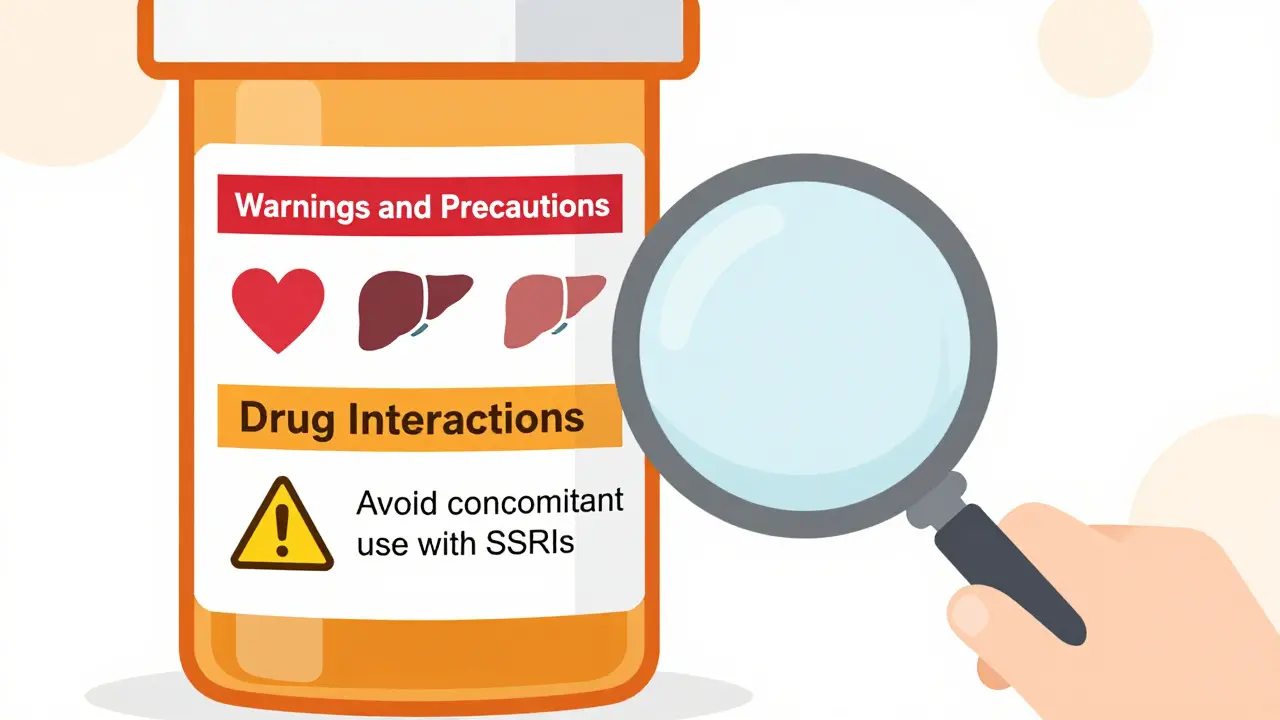
Learn how to read prescription label warnings to avoid dangerous drug interactions. Find out which sections matter most, how to spot hidden risks from supplements, and what to do when you're confused - all based on FDA guidelines and real-world data.
Read More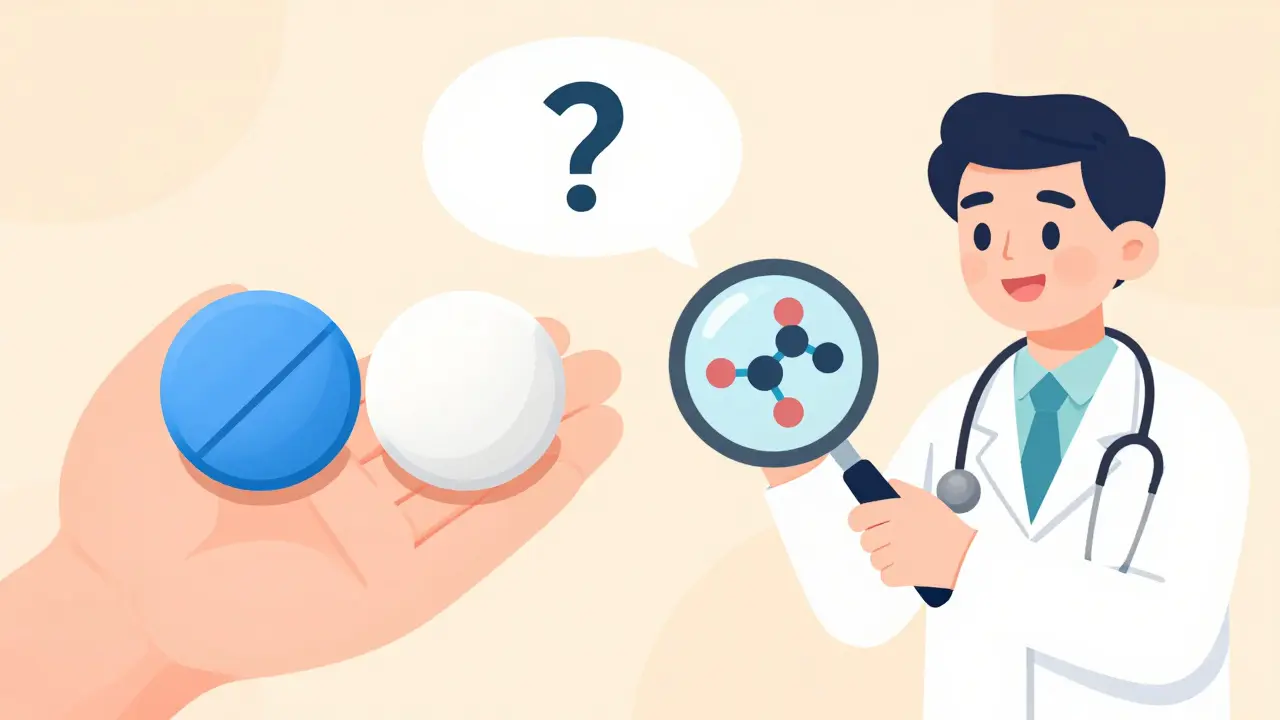
Learn how to clearly explain generic medications to patients, address common concerns, and improve adherence using proven communication strategies backed by clinical evidence and real-world data.
Read More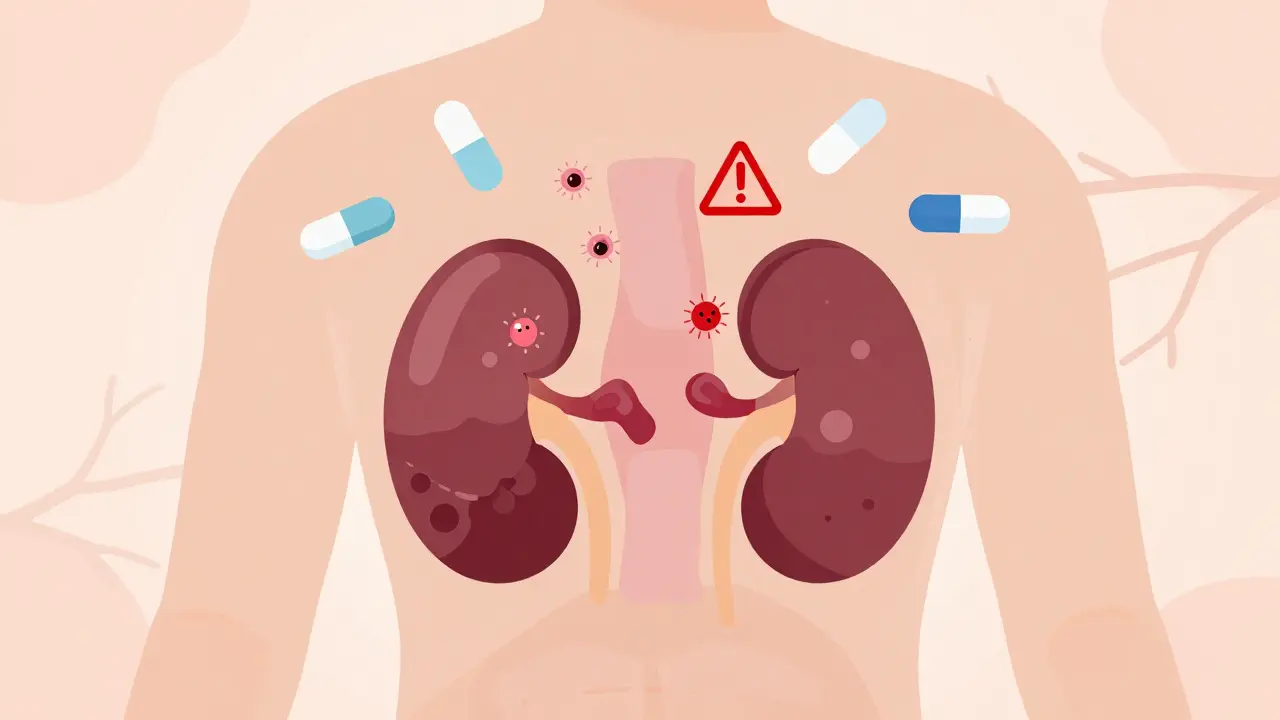
Acute interstitial nephritis from medications is a hidden cause of kidney injury, often missed until damage is done. Learn the signs, top triggers, and what to do if you suspect drug-related kidney inflammation.
Read More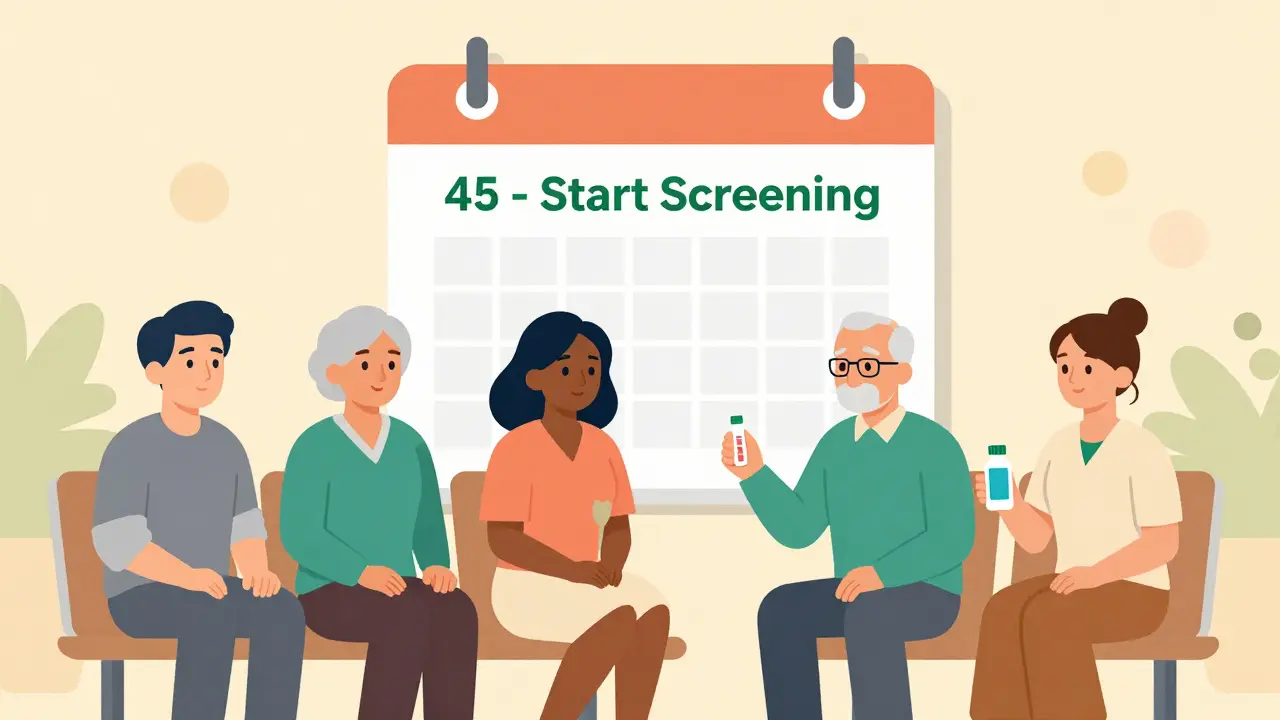
Colorectal cancer screening now starts at age 45. Colonoscopy remains the most effective method, but stool tests and other options exist. Chemotherapy regimens like CAPOX and FOLFOX are standard for stage III cancer. Early detection saves lives.
Read More